
…Transparency body warns that high deductions for debt repayment are squeezing funds for infrastructure, services, and poverty reduction.
The Nigeria Extractive Industries Transparency Initiative (NEITI) has revealed that Kaduna State spent ₦51.2 billion, representing 32 percent of its ₦159.7 billion gross federal allocations in 2024 on debt servicing.
The figure is the highest among states, according to a new report titled “Beyond Federal Allocations: The Cost of Borrowings and Debt Servicing at State Level in Nigeria.”
Released on Sunday, the report which is available on the NEITI website advised states to establish Debt Management Offices (DMOs) for adequate debt management.
The report shows that Kaduna was followed by Ogun State, which spent 27 percent (₦33 billion out of ₦123 billion) on debt repayment, Bauchi with 26 percent (₦37 billion from ₦142 billion), and Cross River with 24 percent (₦28 billion from ₦119 billion).
NEITI noted that such heavy deductions significantly reduce the resources available for funding essential services, local infrastructure, and poverty reduction initiatives, thereby impeding development.
_________________
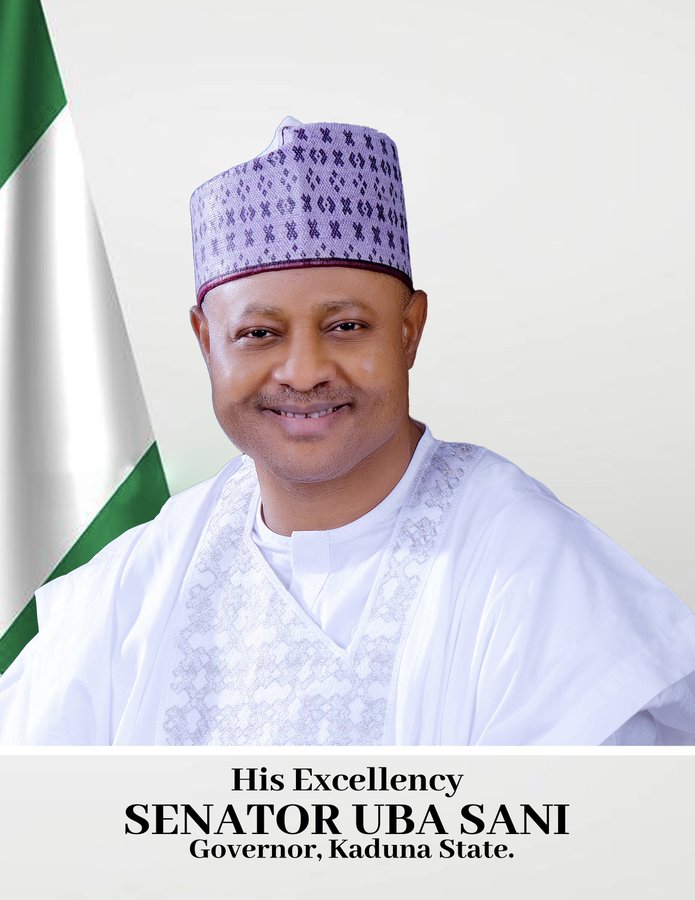
“Kaduna’s debt-to-revenue ratios has been a subject of concern among citizens as experts believe it is slowing the state’s ability to provide infrastructure necessary to engineer development.”
___________________
In contrast, states with minimal debt burdens included Borno with 2.63 percent, Jigawa 2.74 percent, Benue 3.58 percent, and Nasarawa 3.82 percent. Other low-debt performers were Kebbi (4.06 percent), Bayelsa (4.46 percent), and Anambra (4.54 percent), where NEITI said prudent borrowing and fiscal discipline had preserved over 95 percent of gross allocations for development spending.
NEITI explained that the study was conducted in line with its statutory mandate under the NEITI Act 2007 and the global Extractive Industries Transparency Initiative (EITI) standards, which require disclosures on revenue allocations and subnational transfers. It warned that deductions of between 10 and 30 percent of monthly allocations for debt servicing severely constrain states’ ability to deliver grassroots infrastructure and social services.
NEITI’s Executive Secretary, Dr. Orji Ogbonnaya Orji, said the report was a mirror to reflect fiscal realities and a map to guide states toward resilience and equitable growth and “not a name-and-shame exercise.”
He warned that: “Debt, when managed efficiently, can be a tool for financing development at the grassroots. But when servicing obligations consume up to a third of monthly revenues, it becomes a threat to the future of public service delivery and economic stability.”
Kaduna’s debt-to-revenue ratios has been a subject of concern among citizens as experts believe it is slowing the state’s ability to provide infrastructure necessary to engineer development.


Leave a Reply