

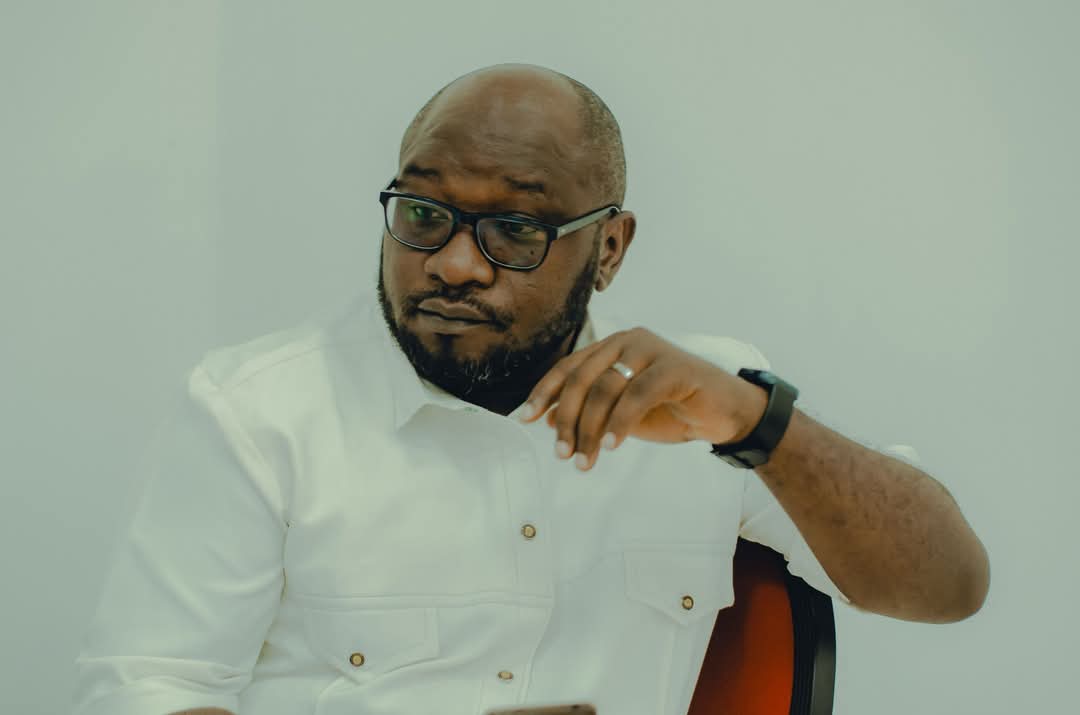
By Machief Ayuba Mallo – Political Analyst & Concerned Citizen, Plateau Central Zone
Politics in Plateau Central Senatorial Zone has, in recent years, become more about quarrels and insults than about genuine service. Leaders and their supporters from different parties spend too much time tearing each other down instead of addressing the urgent problems of our people. Meanwhile, poverty, insecurity, unemployment, and poor infrastructure continue to weigh down our communities—even though our land is blessed with fertile soil and rich mineral resources.
Local Government Areas like Bokkos, Kanam, Mangu, Pankshin, and Kanke remain underdeveloped. Rather than uniting to solve these challenges, our leaders keep fighting among themselves, weakening our collective voice and leaving our communities exposed to bandits and terrorists.
Plato once warned in The Republic that when leaders divide into factions, the common good suffers. Unfortunately, this is exactly the story of Plateau Central today. Our leaders must return to their true duty—to serve, to unite, and to bring progress.
The Partisan Battles
Prof. Nentawe Y. Goshowe (APC National Chairman)
Prof. Nentawe, a son of Plateau, now holds the influential position of APC National Chairman. Instead of rallying behind him to channel federal attention and development to our state, many opposition figures and their online “data boys” devote their time to attacking him. Every statement he makes is twisted into an opportunity for mockery.
This weakens Plateau. Aristotle, in Politics, reminded us that the stability of any society depends on leaders building friendship rather than enmity. Sadly, we seem to be doing the opposite.
Governor Caleb Mutfwang (PDP)
Governor Mutfwang faces the same hostility. Each project or policy he introduces is met, not with constructive criticism, but with insults and personal attacks. Debate is healthy for democracy, but a destructive “pull-him-down” culture is not. This negative pattern has long crippled Nigerian politics—and now it is crippling us here at home.
Hon. Yusuf Gagdi and the State Police Debate
Hon. Yusuf Gagdi, who represents Pankshin/Kanam/Kanke, has openly opposed the creation of state police. He argues that governors could misuse such forces and insists it is safer to rely on the federal police. His argument has some merit.
But Plateau Central has bled too much. Kanam, for example, has suffered repeated attacks. On July 6, 2025, gunmen ambushed a vigilante group, killing eight civilians. On September 15, 2025, the village head of Shuwaka in Garga District was kidnapped and murdered. Too often, federal security forces arrive after the damage is done. Communities believe that only local policing—officers who know the terrain—can offer real protection.
This raises a fair question: is Hon. Gagdi’s resistance based purely on principle, or is it also influenced by politics? Lee Drutman, in Breaking the Two-Party Doom Loop (2020), warned that endless partisan rivalry blocks real solutions. His words echo loudly in Plateau Central today
The Way Forward
If Plateau Central is to break free from insecurity and underdevelopment, we need less noise and more action:
1. Strengthen Operation Rainbow
The state should equip Operation Rainbow with vehicles, weapons, drones, and proper training. They must work with locals who know the terrain, patrol villages, and dismantle criminal hideouts.
2. Prosecute Criminals, Don’t Negotiate With Them
Killers and sponsors of violence should face justice in court. “Peace meetings” with criminals, like the accords in Mangu (2023) and Jos (2025), only embolden them. True peace requires justice, not compromise.
3. Unity Beyond Party Lines
After elections, politics should give way to patriotism. Leaders, chiefs, religious figures, and civil society must work together for security and development. Jonathan White and Lea Ypi, in The Meaning of Partisanship (2016), observed that partisanship is valuable only when it transforms into patriotism after elections. Similarly, Arend Lijphart, in Democracy in Plural Societies (1977), showed that divided societies endure only when leaders cooperate across group lines.
My Call to Plateau Central People
My people, the truth is simple: if our leaders keep fighting one another, insecurity and poverty will never end. Development cannot thrive in division.
But if we, the people of Plateau Central—leaders, youths, elders, women, and our brothers and sisters in the diaspora—join hands and speak with one voice, we can demand accountability, strengthen our security, and attract development.
The time for quarrels is over. The time for unity and progress is now.
Machief Ayuba Mallo
Political Analyst & Concerned Citizen
Plateau Central Zone
📞 +2349064643143
📧 machief88@outlook.com

Leave a Reply