
“Transparency, when sustained, is not just a moral virtue, it is an economic asset. Kaduna’s top ratings have far-reaching implications for investment confidence, service delivery, and social inclusion.”
__________________________
By James S. Swam
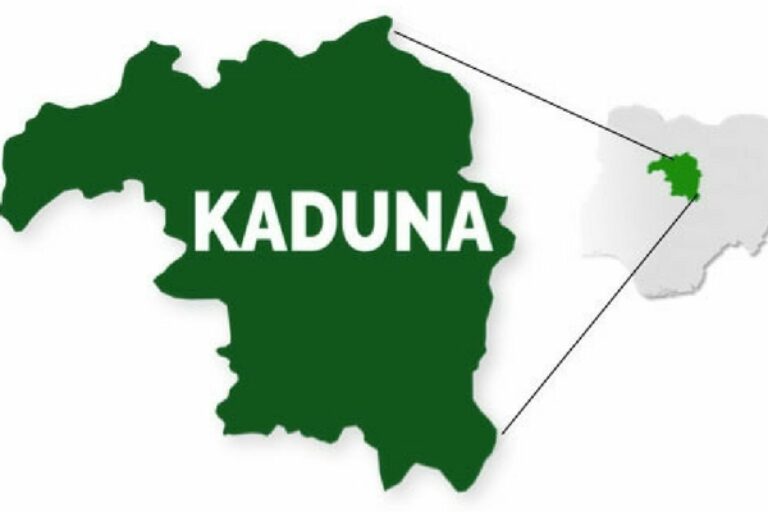
In the past twelve months, Kaduna State has achieved a rare hat-trick in governance performance, emerging top in three separate national rankings on transparency, public integrity, open procurement, e-governance, and service delivery. These recognitions, from the Centre for Fiscal Transparency and Public Integrity (CeFTPI), the Centre for Fiscal Transparency and Public Integrity Watch (CeFTPIW), and the Centre for International Advanced and Professional Studies (CIAPS), are not only valuable to the State’s image and worthy of note. They underscore a transformative shift in how Kaduna is governed, how public resources are managed, and how citizens are being integrated into the machinery of development.
The story began in November 2024, when CeFTPIW named Kaduna the top state in its Transparency and Public Integrity Index. The state scored 51.42%, surpassing 35 others and the Federal Capital Territory. The index measured variables such as open governance, accountability, and public participation.
Barely six months later, in May 2025, the CIAPS Governance Performance Index (CGPI) again placed Kaduna first nationwide, this time with a stellar 73%, highlighting excellence in e-governance, transparency, and service delivery. The State surpassed Delta (70%), Anambra (65.5%), Niger (65.1%), and Lagos (64%), etc.
Then, in October 2025, CeFTPI, supported by the MacArthur Foundation, released the 2025 Transparency and Integrity Index (TII), with Kaduna scoring 49.08% to retain its position as Nigeria’s most transparent state for the second consecutive year, surpassing Kano (46.86%) and Osun (45.97%). The report particularly lauded the state’s performance in the “Control of Corruption” variable, where it achieved 80%, showing a mark of adherence to ethical governance and reliable anti-corruption processes.
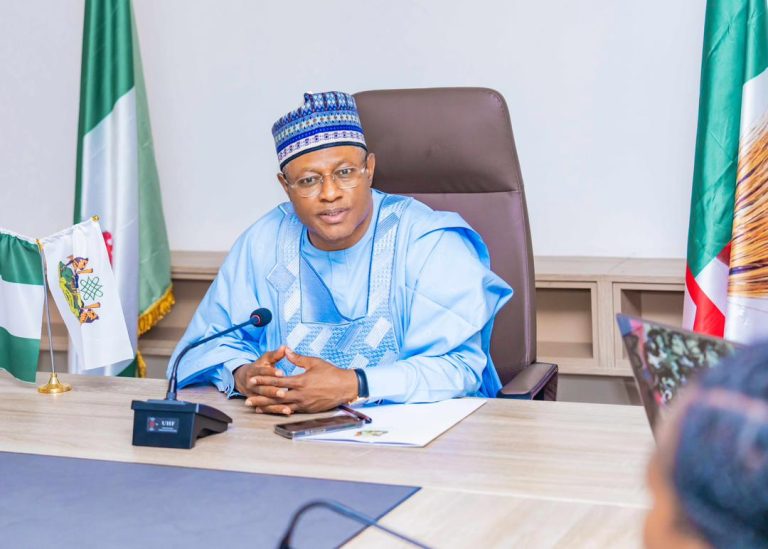
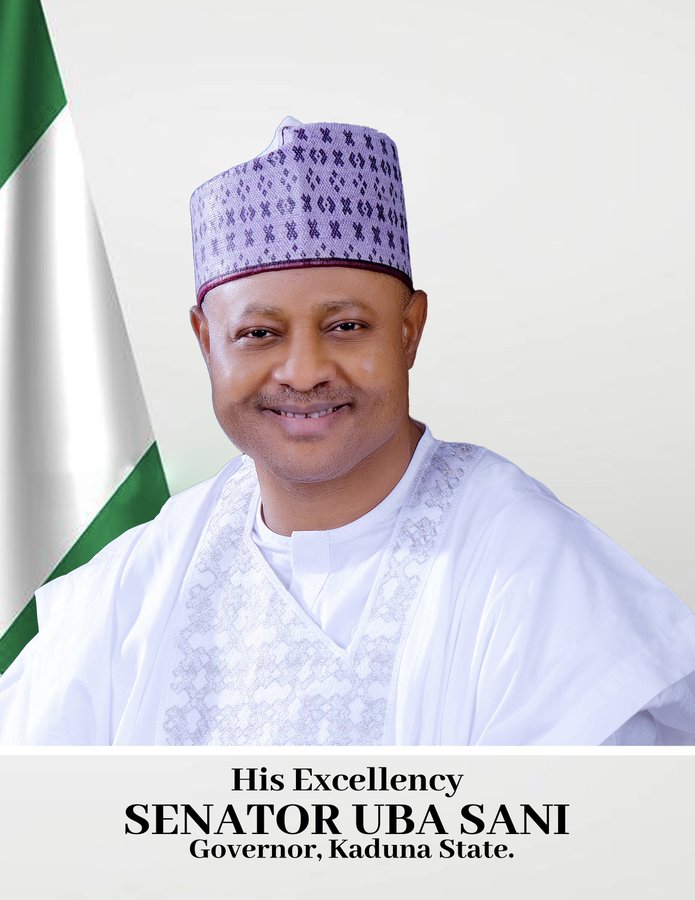
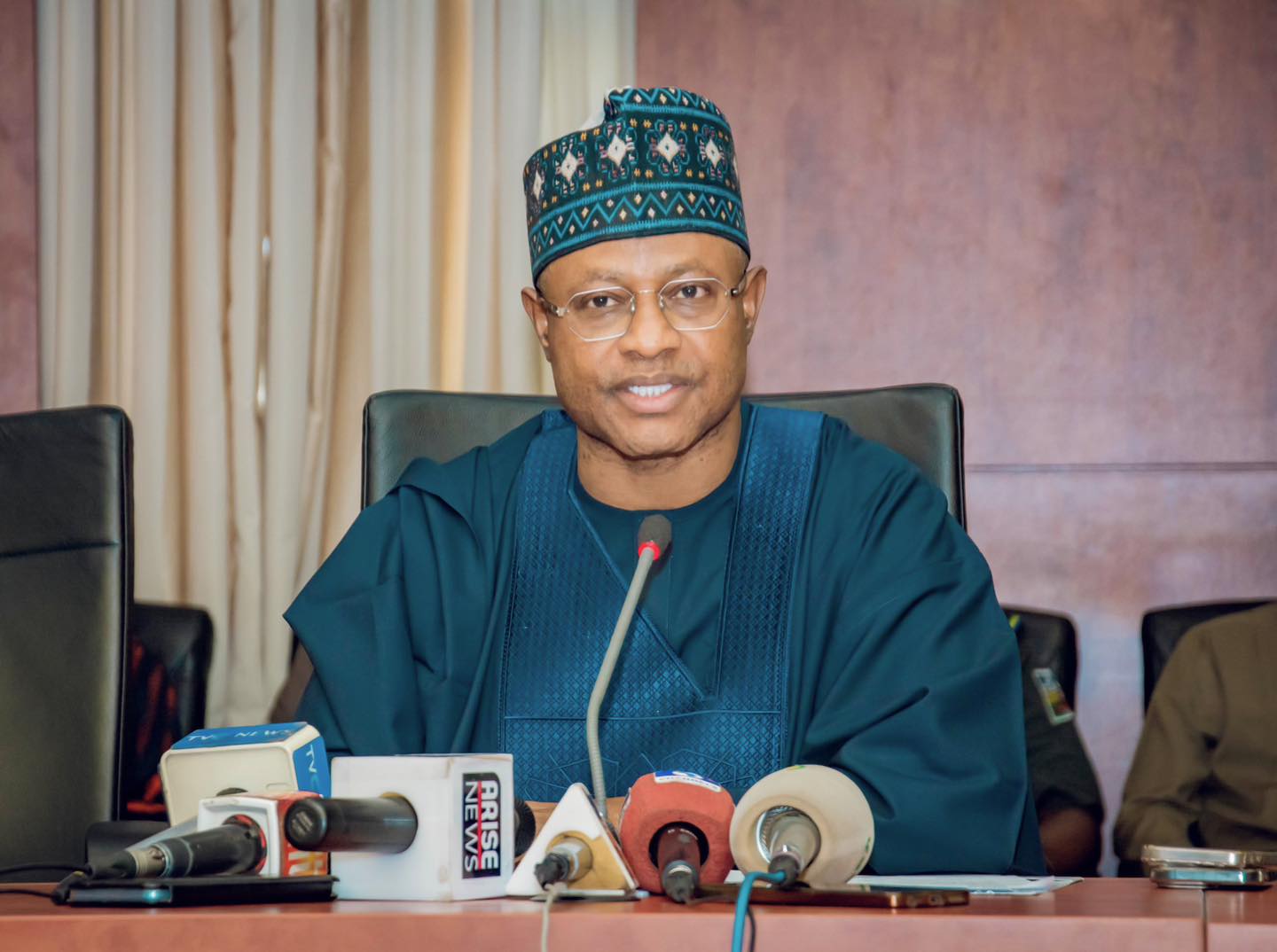
Taken together, these three recognitions by independent and credible institutions highlight Kaduna’s reputation as the benchmark for subnational transparency and accountability in the country. These reports and rankings show that Kaduna’s transparency trajectory has accelerated under the leadership of Governor Uba Sani. They also show that his administration has demonstrated that governance reform is not a slogan but a continuous process rooted in institutional strength and ethical leadership.
Governor Sani’s philosophy was built upon the foundation laid by his predecessor, Nasir El-Rufai, who institutionalised reforms in public procurement, fiscal transparency, and the digitisation of government services. But Sani has gone a step further, by expanding the reforms through citizen engagement and prioritising inclusion.
In a nation where opacity in governance is often the rule rather than the exception, Kaduna’s consistency in opening its books and data to public scrutiny is revolutionary. For instance, the state’s open budget portal and digital procurement systems allow citizens, journalists, and civil society to track spending in real time. These innovations have transformed Kaduna into a living laboratory of e-governance, a model that many other states have begun to emulate.
Implications for investment
Transparency, when sustained, is not just a moral virtue, it is an economic asset. Kaduna’s top ratings have far-reaching implications for investment confidence, service delivery, and social inclusion.
First, the perception of transparency attracts both local and international investors. When a state demonstrates fiscal discipline and accountability, it reduces the perceived risk of doing business. Investors can better predict government behaviour, trust procurement processes, and expect policy continuity. Kaduna’s rising industrial and digital profiles, acknowledged in the pcl. State Performance Index (pSPI) 2025, where it ranked 3rd, is are direct dividend of this environment of trust.
Second, transparency enhances service delivery. The more the government opens itself to scrutiny, the better it allocates resources. With Kaduna’s e-governance systems, leakages are reduced, public procurement is competitive, and funds reach their intended targets. This is evident in the revamped education and healthcare sectors, rural infrastructure expansion, and increased budgetary efficiency across ministries.
Third, transparency deepens citizen participation. When citizens are informed, they become partners in governance rather than passive recipients. Governor Uba Sani’s emphasis on participatory governance, seen in the state’s citizen feedback platforms and town hall consultations, has fostered a culture of accountability from the bottom up.
On the other hand, Kaduna’s triple recognition carries significant political implications. It sets a new performance standard that will likely redefine the metrics of electoral judgment. In an era where Nigerian politics often revolves around patronage and empty talk, Kaduna’s experience demonstrates that good governance can be politically rewarding.
By institutionalising transparency, the Uba Sani administration has effectively depersonalised governance. The system, not just the individual, is being celebrated. This shift matters because it ensures sustainability: future administrations will be compelled to uphold or surpass existing standards or risk public disapproval.
Moreover, Kaduna’s achievement sends a strong signal to federal and subnational actors that governance reforms are not unattainable ideals. They can be achieved through political will, competent institutions, and consistent monitoring.
While these accolades are commendable, sustaining them will require institutional resilience and citizen vigilance. Transparency is a journey, not a destination. The danger with repeated recognition is complacency, a belief that excellence is permanent. Kaduna must therefore guard against regression by strengthening internal audit systems across ministries, departments, and agencies; expanding digital access to rural communities to ensure inclusivity in e-governance; institutionalising civic education so that citizens can effectively use open data platforms; and encouraging independent monitoring by civil society organisations and the media.
Equally important is ensuring that transparency translates into tangible welfare outcomes. Ratings matter, but the real test lies in whether rural farmers, urban traders, and young entrepreneurs feel the impact in their daily lives.
Kaduna’s rise as Nigeria’s most transparent state offers a glimpse of what Nigeria’s governance landscape could become if transparency were mainstreamed nationally. The state has proven that accountability can coexist with political pragmatism, and that technology can simplify governance rather than complicate it.
In a country often burdened by corruption indices and trust deficits, Kaduna’s story provides a hopeful counter-narrative. It shows that reform-minded leadership, supported by data and citizens’ participation, can deliver measurable progress even in complex environments.
At this point, Kaduna should consolidate its reputation as a beacon of integrity to shoulder a new responsibility of serving as a mentor and model for others. From Sokoto to Enugu, and from Bayelsa to Borno, the lessons are clear: transparency is not a luxury; it is the foundation upon which sustainable governance and development rest.
Kaduna’s triple crown of transparency and integrity is not merely a matter of prestige; it is a socioeconomic and political statement. It declares that governance can be disciplined, inclusive, and results-oriented. It demonstrates that when leadership is guided by ethics and data, development follows.
For Governor Uba Sani and his team, the message is both encouraging and cautionary: the higher the ranking, the greater the expectation. The world is watching, investors are assessing, and citizens are hopeful. Kaduna has set the bar. The task now is to keep raising it until transparency becomes not just a rating, but a way of life.
Swam writes from Kaduna.

Leave a Reply