

“In this review of the strikes, let’s assess government responses and what lies ahead for Kaduna’s workers and public institutions, bearing in mind that “a strong society and a prosperous economy” are built on the strength of the workforce.”
________________________
By James S. Swam
In recent times, Kaduna has witnessed a flurry of industrial actions across various sectors. The unrest, though disturbing, has also marked a turning point in the state’s positive approach to labour relations.
In June, hospitals fell silent for a few days as nurses, midwives, pharmacists, and other health workers downed tools; in September lecture halls in the state polytechnic, school of nursing, and college of education went empty as academic staff pressed for improved pay; and in October, the state judiciary subsequently joined the list, as the Judiciary Staff Union of Nigeria (JUSUN) embarked on strike demanding financial autonomy. Even local government staff, including primary school teachers threatened to stop operations in October over wage grievances.
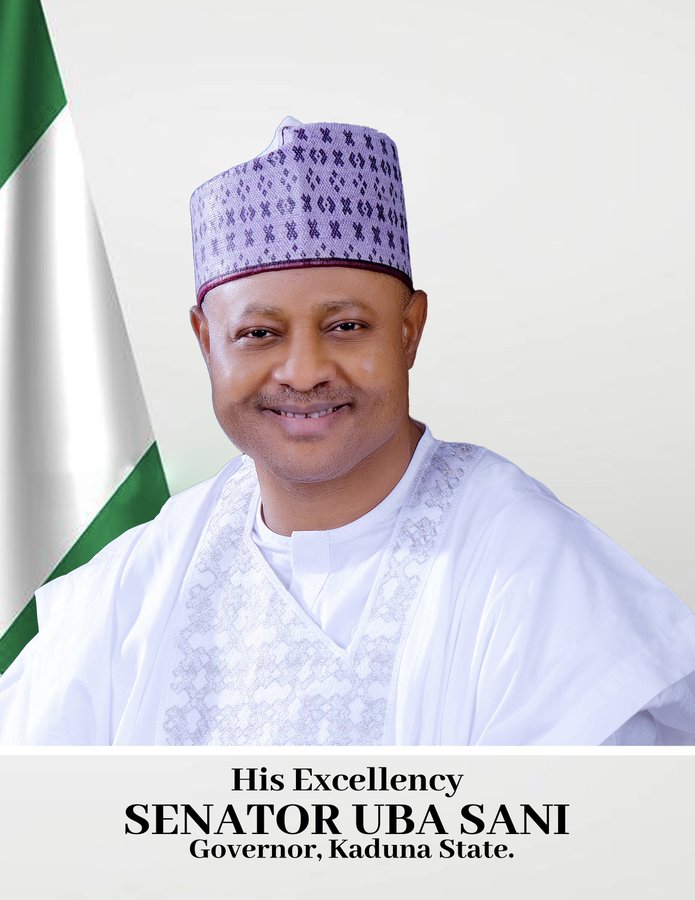
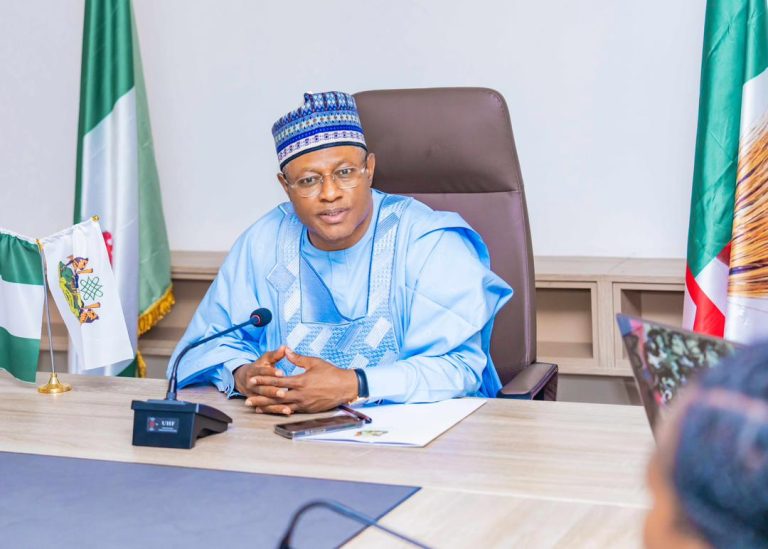
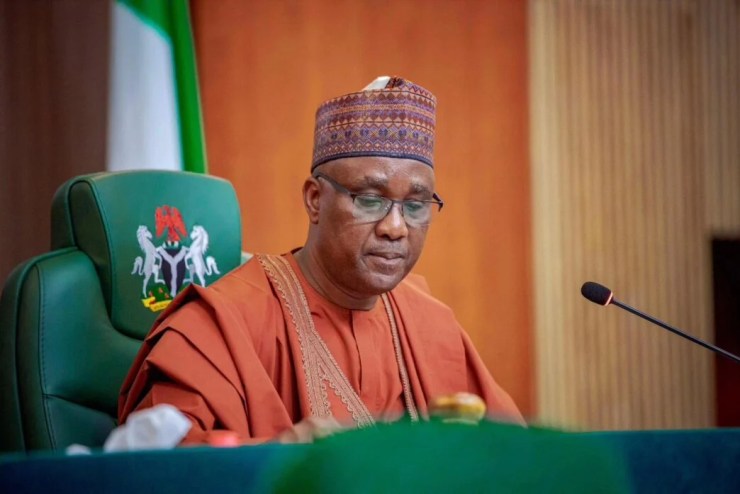
Yet, amid the wave of industrial agitation, a new tone of dialogue, empathy, and reform has emerged. Governor Uba Sani’s administration has consistently engaged workers’ unions, demonstrating a willingness to listen, negotiate, and act. A contrast to the combative labour environment of past years.
Central to the issue are fundamental questions about the dignity of work, fairness in compensation, and the state’s vision for human capital development guided by the SUSTAIN Manifesto (the governor’s campaign blueprint), wherein the governor stated that: “We believe that people are the resource that create, develop or transform all that makes civilised existence possible.”
In this review of the strikes, let’s assess government responses and what lies ahead for Kaduna’s workers and public institutions, bearing in mind that “a strong society and a prosperous economy” are built on the strength of the workforce.
The Health Sector
Few sectors reflect the fragility of governance and the importance of reform as sharply as the health sector. For years, Kaduna’s health workers struggled with low morale, poor pay, and a steady outflow of skilled personnel, resulting in countless warnings and indefinite strikes. But 2025 brought a new chapter.
Following the recent industrial action, health unions, including the National Association of Nigeria Nurses and Midwives (NANNM) and the Medical and Health Workers Union of Nigeria (MHWUN), commended the state government for implementing the long-awaited 2024 Consolidated Health Salary Structure (CONHESS) and Consolidated Medical Salary Structure (CONMESS).
The reforms, which adjusted salaries to nearly match federal standards, immediately ended years of agitation and strikes. Nurses in Kaduna now earn wages that place them among the best-paid in northern Nigeria, narrowing a gap that had existed for over a decade.
NANNM Chairman, Comrade Ishaku Yakubu, described the development as a “restoration of dignity and confidence” among healthcare professionals, noting that the policy had repositioned Kaduna as a competitive hub for skilled medical workers.
Governor Sani’s efforts did not go unnoticed nationally. In October, he received the Primary Health Care (PHC) Champion Award from the International Society of Media in Public Health (ISMPH) in recognition of his commitment to improving healthcare access and welfare.
Health workers’ unions, which were once sceptical, now view the administration as responsive and credible. The reforms have improved morale, reduced friction, and strengthened the foundation for sustained healthcare delivery. Going forward, sustaining funding for rural health infrastructure and continuous professional training will determine whether these gains translate into long-term improvement.
“The wave of strikes that swept Kaduna in recent months has been both a challenge and an opportunity. It tested the government’s leadership, the unions’ unity, and the resilience of public institutions.”
Tertiary Institutions
The state’s tertiary institutions were not left out of the industrial wave. The Academic Staff Union of Universities (ASUU), Kaduna State University (KASU) Branch, had earlier declared two rounds of indefinite strike in February and April 2025, citing unresolved welfare concerns. However, the union suspended its April action in mid-May after the state government’s reconciliation efforts, which significantly eased tensions on campus.
At a subsequent press briefing, KASU Vice Chancellor, Prof. Abdullahi Musa, announced several major commitments by Governor Uba Sani, including the approval of a ₦50 million monthly standing order for staff welfare, the release of ₦146 million to settle withheld salaries and Industrial Work Experience Scheme (SIWES) allowances, and the authorisation for KASU to retain a percentage of its Internally Generated Revenue to boost financial autonomy.
He also confirmed the constitution of a high-level negotiation committee chaired by the Deputy Governor, Dr Hadiza Balarabe, to maintain ongoing dialogue with all university unions and address outstanding issues.
In late September, the Joint Union of Tertiary Institutions in Kaduna State (JUTIKS), comprising staff of Nuhu Bamalli Polytechnic, College of Education, and College of Nursing and Midwifery, also declared a strike over non-implementation of the Consolidated Polytechnics and Colleges of Education Academic Staff Salary Structure (CONPCASS) and the Consolidated Tertiary Educational Institutions Salary Structure (CONTEDISS).
After weeks of paralysis, the standoff ended on 20 October following a decisive meeting with Governor Uba Sani. The unions, led by Comrade Usman Suleiman of the Academic Staff Union of Polytechnics (ASUP), and Comrade Christopher Yerima of the Colleges of Education Academic Staff Union (COEASU), lauded the governor’s “listening leadership” and suspended their strike immediately.
The governor approved the implementation of 70 per cent of the CONPCASS and CONTEDISS salary structures, effective October 2025, along with a 65-year retirement age for non-teaching staff.
The Unions also applauded the administration’s fiscal discipline, acknowledging the 50% cut in tuition fees, and the investment in campus renovations despite an inherited ₦5 billion monthly debt repayment.
The academic community has hailed the intervention as a model of pragmatic governance. Industrial peace now prevails across tertiary campuses, and morale is high. However, the true test will be in sustaining these financial commitments without derailing ongoing development projects. If the reforms hold, Kaduna could soon become the preferred destination for academic excellence in northern Nigeria.
Local Government Employees
In October 2025, Kaduna’s local government workforce, the backbone of rural administration, almost downed tools in a coordinated strike. But swift intervention by the governor prevented the disruption.
The Nigeria Union of Local Government Employees (NULGE), Nigeria Union of Teachers (NUT), primary school teachers especially, and the Medical and Health Workers Union (MHWUN), responsible for primary healthcare at the local government levels, had threatened a strike over the delayed implementation of the new national minimum wage and consequential adjustments.
Governor Sani responded with understanding and promptly approved the demands. By the end of October, all unions testified to the implementation of the wage increase in their salaries, ensuring parity across the local government service structure.
Union leaders, Rayyanu Turunku of NULGE, Ibrahim Dalhatu of NUT, and Umar Fatika of MHWUN, jointly praised the governor’s “fairness and human touch,” describing the policy as a long-overdue relief for grassroots workers who had borne the brunt of economic hardship.
The local government workforce now enjoys renewed hope in the state’s commitment to welfare and inclusion. The challenge ahead lies in ensuring the councils sustain payroll discipline and transparency to maintain the trust now being rebuilt.
The Judiciary Staff Union
The Judiciary Staff Union of Nigeria (JUSUN) has also begun to experience encouraging movement toward lasting reforms like those recorded in the health, education, and local government sectors after the one-week strike in October. Prompt intervention by the government and the Nigerian Bar Association (NBA) helped defuse the tension and set the stage for constructive engagement.
The union demand included full financial autonomy for the judiciary, payment of withheld salaries from April–May 2021, and settlement of nine years’ arrears of allowances and grants. These, of course, were issues inherited from the previous administration.
While the state’s willingness to dialogue is commendable, proactive engagement is needed to avert further escalation. The government should prioritise structured consultation with union leaders, setting clear timelines for implementation and periodic progress reviews.
On their part, unions must balance agitation with realism, recognising fiscal constraints and exploring phased reforms rather than total shutdowns that harm citizens and reduce productivity. Constructive engagement, not confrontation, remains the sustainable path forward.
The wave of strikes that swept Kaduna in recent months has been both a challenge and an opportunity. It tested the government’s leadership, the unions’ unity, and the resilience of public institutions. Yet, through transparency, dialogue, and reform, the Uba Sani administration has turned what could have been chaos into a platform for rebuilding trust.
The implementation of the new salary structures and welfare reforms across the different sectors could reposition Kaduna state in labour relations, reducing brain drain, improving service delivery, and inspiring professionalism. Both government and unions share a moral duty: the government must sustain its promises, and the unions must remain faithful, ensuring productivity matches pay.
Swam is a writer, author, and public relations practitioner


Leave a Reply