
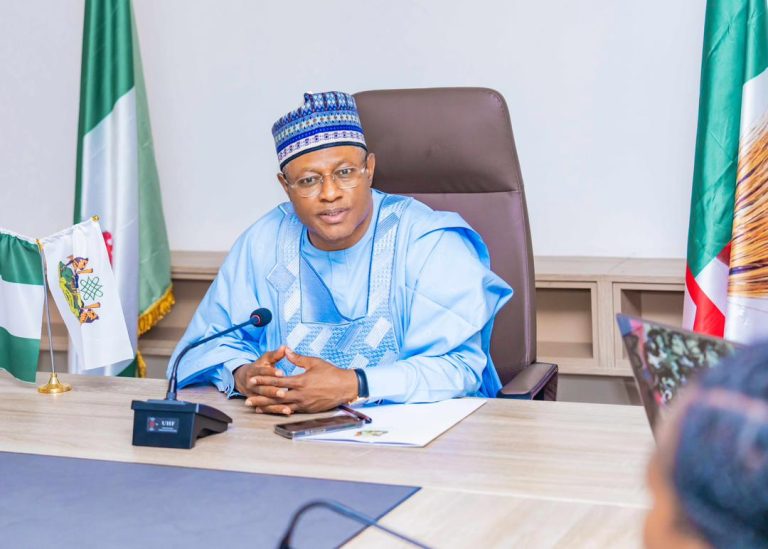
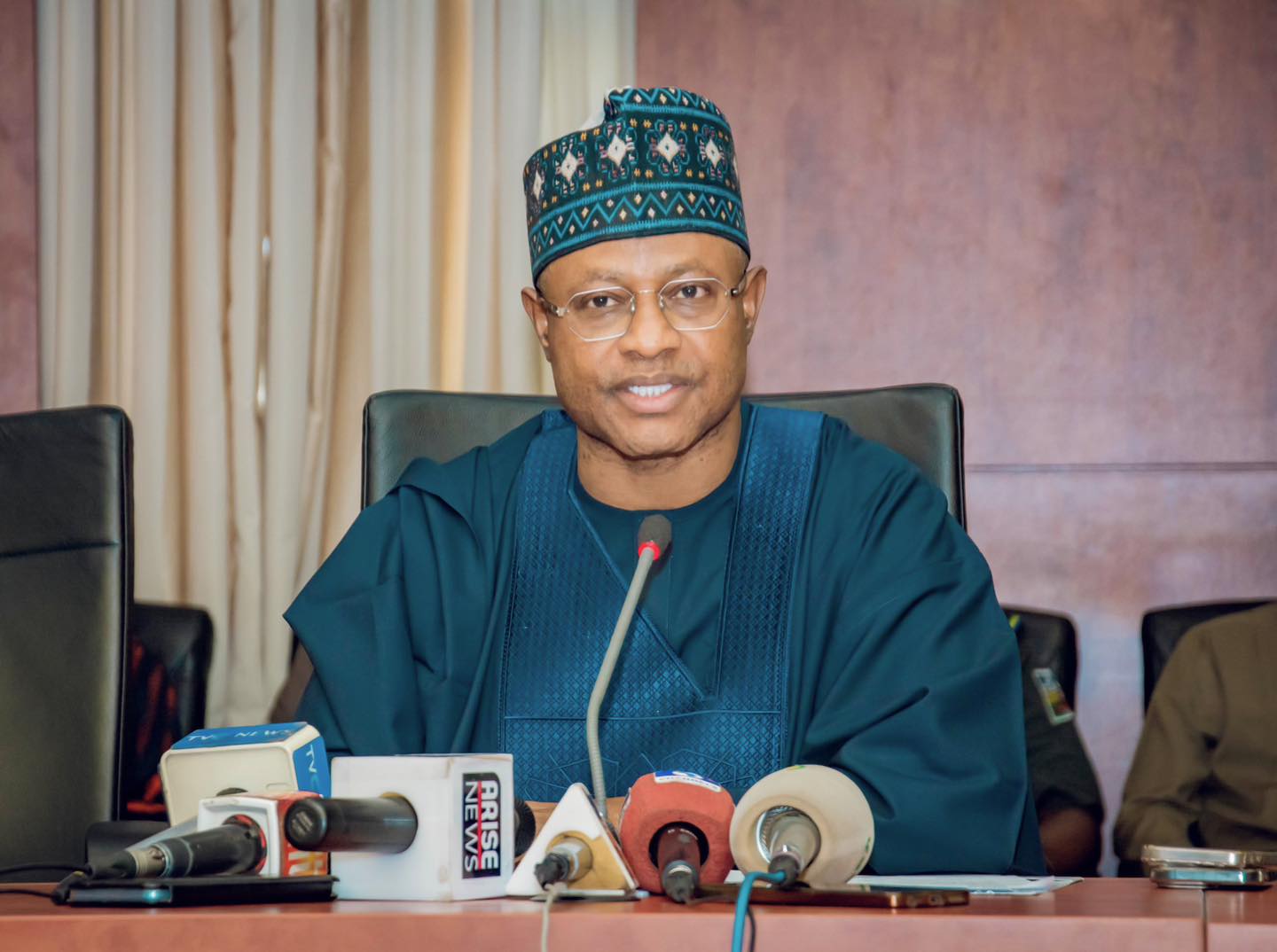
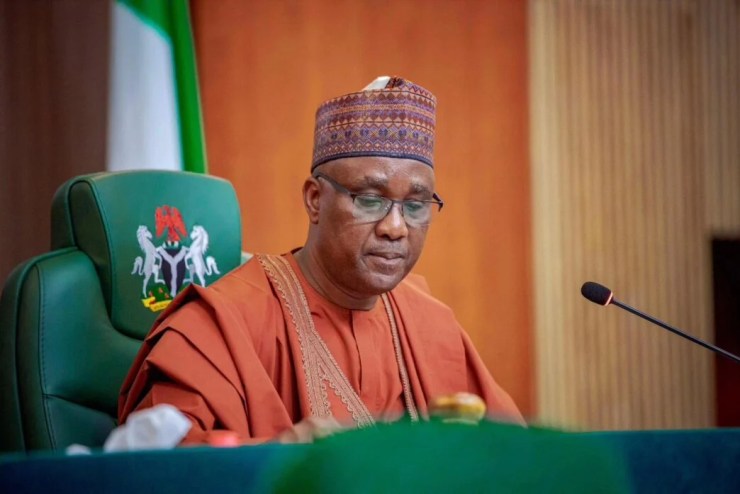
Governor Uba Sani explained at the launch that the initiative was crafted as a social welfare intervention
______________________
By James S Swam
When Kaduna State government rolled out brand-new Compressed Natural Gas (CNG) buses on Monday, 7 July, 2025, few imagined the extent to which the initiative would reshape the daily lives of workers, students, retirees, and thousands of low-income residents. Announced as part of the Kaduna Subsidised Transport Scheme (KSTS), the free transport programme was designed to run for six months. Yet, its impact has already become one of the most defining welfare policies of Governor Uba Sani’s administration.
At a time when workers across the country have struggled under the weight of rising transport costs, inflationary pressure, and general economic uncertainty, Kaduna’s free bus service has served as a powerful relief valve. It has provided not just mobility, but a renewed sense of belonging to citizens who wake up every morning to contribute to the state’s productivity.
The scheme’s initial structure is clear and targeted: civil servants ride free with a valid staff ID and a matching National Identification Number (NIN); students in both private and public schools board at no cost as long as they appear in full school uniform; and retirees and personnel of recognised security agencies also enjoy access at no charge. All for six straight months.
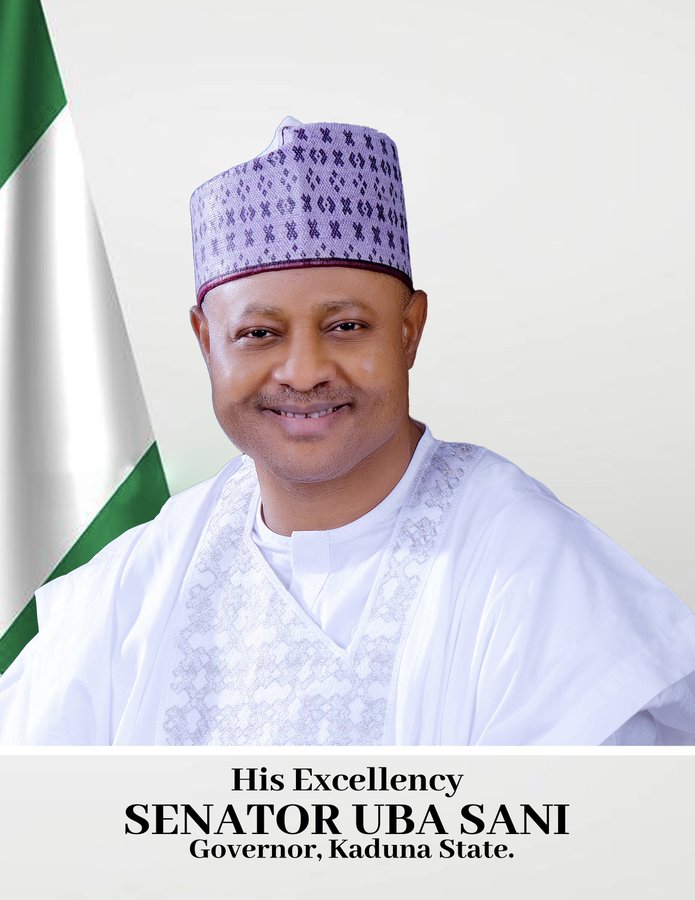
Governor Uba Sani explained at the launch that the initiative was crafted as a social welfare intervention to cushion vulnerable groups from the harsh realities of rising national transport inflation. His reasoning was straightforward: if workers cannot afford transportation, public services will collapse. If students stay home because daily fares are unaffordable, the state’s future human capital development is compromised. And if families spend their meagre income on commuting, poverty becomes entrenched.
Moreover, the introduction of CNG-powered buses aligns with a broader national transition towards greener, more affordable mass transit, a move further highlighted by President Bola Ahmed Tinubu when he commissioned the 100 CNG buses during his visit to Kaduna on 19 June. What the state government did next was critical: instead of immediately putting the buses into commercial service, it absorbed the full cost of the rollout for half a year to provide a direct welfare benefit with measurable impact.
By the end of the first month, data from the state transport organisation already showed that tens of thousands of people had taken advantage of the scheme; civil servants heading to ministries, uniformed schoolchildren filling the morning routes, and retirees getting a renewed sense of mobility.
This real-world impact was further confirmed in early December when the government released formal statistics based on five months of passenger data. An average of 18,426 passengers were transported daily, placing the monthly figure at 294,824 commuters. The overall number between July and November was an impressive 1.4 million passengers. These numbers offer the clearest evidence yet that the welfare programme met a real need and provided relief on a massive scale.
___________________________
“As demand surged, the government expanded the scheme beyond its initial civil servant–focused design.”
____________________________
The buses operate along major free-ride routes within the metropolis – from Rigachikun to Kawo to Central Market to Sabo and vice versa and another one from Rigachikun to Kawo to Yakowa Way to Mararaban Rido and vice versa. Likewise, another fleet goes through Rigachikun to Tudun Wada and Rigasa. These corridors carry the bulk of daily urban traffic, and the free rides instantly reduced commuting difficulties and transport costs.
As demand surged, the government expanded the scheme beyond its initial civil servant–focused design. With 30 CNG buses running for eight hours daily, four days a week, the programme was opened to every citizen from 7 a.m. to 6 p.m. The expansion made the scheme one of the most inclusive public transportation welfare interventions.
To prepare for the full rollout of the subsidised phase scheduled for early 2026, the government is nearing completion of 200 modern bus shelters across the three cities of Kaduna, Zaria, and Kafanchan. These shelters are designed to protect passengers from weather conditions, reduce rowdiness at bus stops, and organise boarding in a more structured and dignified manner. The bus shelters signal a commitment to long-term transformation, not a temporary poverty-alleviation project, some passengers observed.
Behind the smooth daily operations of the buses lies a complex financial and logistical commitment. The CNG buses require routine maintenance, fueling, and periodic servicing. Drivers, conductors, route supervisors, cleaners, security personnel, and monitoring agents all work on government payroll. All these expenses are borne by the Kaduna State Government without generating revenue for the first six months. Isn’t that commendable?
To boost the scheme, a Joint Management Committee, made up of government representatives along with Nigeria Labour Congress (NLC) and Trade Union Congress (TUC) officials, supervises operations, prevents system abuse, and ensures transparency.
Transport, often overlooked in public policy conversations, can be one of the biggest financial burdens for ordinary families. Some workers say that before the free scheme, civil servants spent an average of between ₦18,000 and ₦35,000 monthly on commuting, depending on distance. Parents with multiple school-age children spent even more.
Interestingly, based on government calculations, about ₦1.39 billion was saved by passengers, including public servants, students, market women, artisans, youths, farmers, small business owners, security personnel, and retirees, during the first five months of implementation. This figure represents income that families were able to redirect toward food, fees, rent, healthcare, and small investments.
Unsurprisingly, many commuters wish the scheme could continue at zero cost indefinitely. “Yes, I wish the free bus scheme could continue because of its benefits to workers,” says Haruna Musa a civil servant. But the government itself incurs significant operational expenses, and officials have explained that to sustain the buses long-term, the post-January phase will introduce a minimal fare protected by a 60% state subsidy. In essence, even after the free phase ends, Kaduna residents will continue to enjoy some of the most affordable public transport rates in Nigeria when the 100 buses are released on the road.
__________________________________
“An average of 18,426 passengers were transported daily, placing the monthly figure at 294,824 commuters. The overall number between July and November was an impressive 1.4 million passengers.”
_________________________________
One of the scheme’s notable achievements is the return of orderliness to Kaduna’s transport system. Drivers report fewer delays due to crowd chaos. Monitoring teams enforce regulations against bad behaviours. This culture shift, though subtle, has contributed to a more disciplined transport environment and a smoother commuting experience for all.
Also, CNG buses emit significantly less carbon than diesel alternatives and cost far less to fuel. Kaduna’s pivot to CNG mass transit represents an investment in sustainability, reduced pollution, and long-term affordability. The free phase allowed thousands of citizens to experience the benefits of clean mobility firsthand. With the 60% subsidy set to kick in for the general public after the free period, Kaduna is poised to become a model of affordable, eco-friendly transport reform in Nigeria.
The Bottom Line
From its launch in July to December 2025, Kaduna State’s free bus ride programme has transformed daily commuting and alleviated economic pressure on over a million residents. In a period of widespread economic hardship, the initiative stands as a bold example of leadership rooted in empathy, foresight, and commitment to human welfare. Kaduna’s free transport scheme is not just a transport intervention, it is one of the most meaningful social welfare programmes introduced in recent years, offering relief, dignity, and hope to the people it serves.
While statistics were available on cost savings and total passengers that commuted, it was silent on whether ministries and agencies reported improved punctuality from July onward. Whether teachers arrived in classrooms consistently, whether healthcare workers reached duty posts earlier, whether administrative offices sprang to life on time, and whether the free rides directly reduced absenteeism and late-coming across government institutions.
Looking forward, it is hoped that as a lifeline, the buses would not only transport millions of passengers and save families billions of naira, but also result in improved workers’ productivity, boost school attendance, and lay the structural foundation for a sustainable, subsidised mass transit welfare system.
Just as this piece was going to bed, government has announced an extension of the free bus service beyond the initial six months. This is great news to workers. A Christmas and New Year gift, perhaps.
Swam is a writer, author, and public relations practitioner
Leave a Reply