
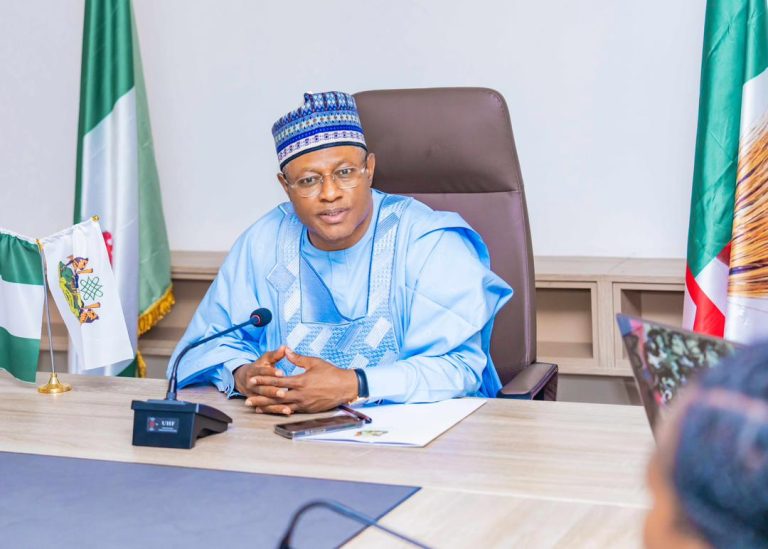
“The most defining feature of the 2026 budget is the allocation of ₦100 million to each of Kaduna State’s 255 wards, amounting to ₦25.5 billion in total.”
_______________________________
BY JAMES SWAM
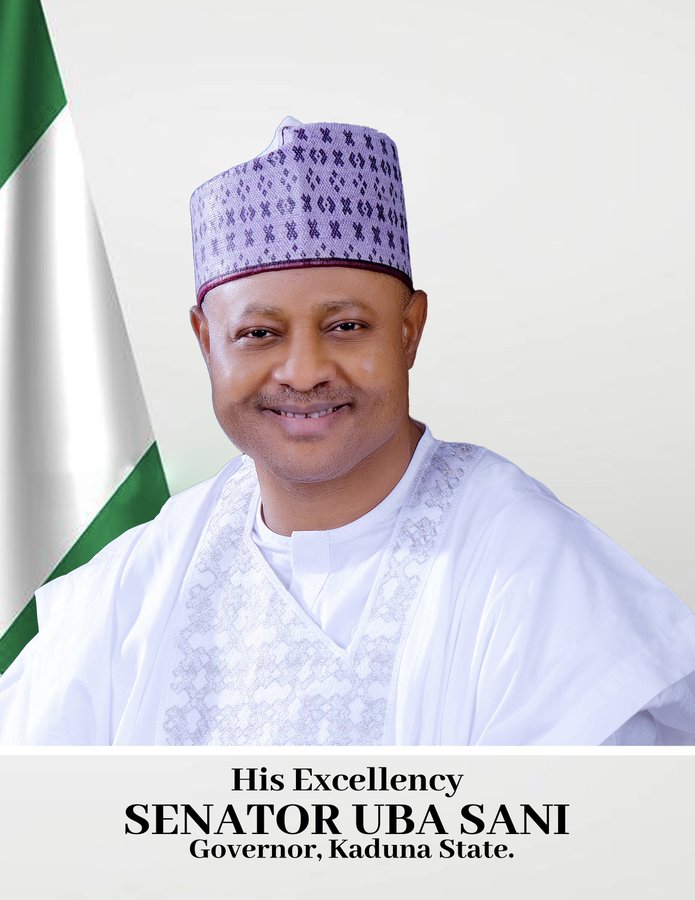
One striking feature of Governor Uba Sani’s administration is the consistency and discipline with which fiscal governance has been handled since assuming office in 2023. True to this pattern, the Kaduna State Governor once again presented the 2026 Appropriation Bill in the first week of December, sustaining a tradition that has become a hallmark of his leadership. This early presentation is commendable, as it allows for thorough legislative scrutiny, smooth passage, and timely commencement of budget implementation from January.
Equally noteworthy is the speed with which the Kaduna State House of Assembly has passed the budget since 2023. Within a matter of days, the legislature has consistently concluded budget deliberations and approvals, reflecting a healthy synergy between the executive and legislative arms of government. This cooperation has not only reduced bureaucratic delays but has also strengthened governance efficiency, ensuring that development plans are not stalled by avoidable institutional frictions.
For the 2026 fiscal year, Governor Uba Sani signed into law a ₦985.9 billion budget, the largest in Kaduna State’s history. The size of the budget, however, is not merely symbolic; it represents the administration’s expanding development agenda and deliberate effort to scale up investments in critical sectors and grassroots development.
An examination of Kaduna State’s budgetary evolution over the past three years reveals a steady and deliberate increase, driven largely by the quest for sustainable development and improved service delivery.
In 2024, the state budget stood at ₦458.2 billion, with capital expenditure accounting for ₦318.8 billion (69.57 per cent) and recurrent expenditure ₦139.4 billion (30.43 per cent). Education received the highest allocation of ₦115.4 billion (25.19 per cent), while health followed with ₦71.6 billion (15.63 per cent).
The 2025 budget marked a significant leap to ₦790.4 billion, representing an increase of about 72.5 per cent over the 2024 budget. Of this amount, ₦553 billion (70 per cent) was allocated to capital expenditure, while ₦237 billion (30 per cent) went to recurrent spending. Once again, education led with 26 per cent, followed by health with 16 per cent, reinforcing the administration’s prioritisation of human capital development.
By 2026, the budget rose further to ₦985.9 billion, reflecting an increase of approximately 24.7 per cent over the 2025 budget and more than 115 per cent growth from the 2024 figure. According to the governor, ₦698.9 billion (70.9 per cent) has been committed to capital expenditure, while ₦287 billion (29.1 per cent) is set aside for recurrent obligations.
This consistent emphasis on capital spending underscores the administration’s focus on infrastructure, economic expansion, and long-term productivity rather than consumption-driven governance.
Across the three fiscal years, education and health have consistently received the largest allocations, a reflection of Governor Sani’s belief that human capital is the foundation of development. In the 2026 budget, education once again emerged as the highest-funded sector, receiving 25 per cent of the total budget. Health continues to maintain a strong position among priority sectors, alongside agriculture and social development.
———————————–
“An examination of Kaduna State’s budgetary evolution over the past three years reveals a steady and deliberate increase, driven largely by the quest for sustainable development and improved service delivery.”
————————————–
This sustained investment aligns with Kaduna State’s broader reform agenda in education, including school rehabilitation, teacher recruitment, learning outcomes improvement and healthcare, particularly primary healthcare revitalisation.
The most defining feature of the 2026 budget is the allocation of ₦100 million to each of Kaduna State’s 255 wards, amounting to ₦25.5 billion in total. According to the Commissioner for Planning and Budget, Mukhtar Ahmed Morovia, this intervention is the first of its kind in the history of Kaduna State.
Speaking during a post-budget press briefing after the appropriation bill was signed into law, the commissioner described the initiative as historic, saying it fully aligned with Governor Uba Sani’s grassroots development philosophy. The allocation, he explained, is part of “the governor’s commitment to inclusive development” and ensuring that governance delivers tangible benefits at the community level.
Under this arrangement, the Ward Development Committees (WDCs) will play a central role in determining priority projects for their respective communities. The funds will be transparently disbursed and deployed for projects in health, education, agriculture, and social sectors, to be implemented through relevant Ministries, Departments, and Agencies (MDAs).
The ward-based allocation represents a fundamental shift in development planning, from a top-down model to a community-driven approach. For decades, many rural communities in Kaduna State have suffered from uneven development, often overshadowed by urban-centric projects. By taking development funds directly to the wards, the 2026 budget addresses this imbalance head-on.
At the community level, the ₦100 million allocation has the potential to deliver small but impactful projects such as primary healthcare centres, classroom blocks, rural roads, water schemes, irrigation facilities, and market infrastructure. These are projects that directly affect daily life and local productivity but are often neglected in large-scale capital planning.
Moreover, the initiative is expected to stimulate rural economies, create local employment during project execution, and strengthen community ownership of public assets.
Beyond physical development, the ward allocation is a powerful tool for deepening participatory governance. By empowering Ward Development Committees to identify and prioritise projects, the government is institutionalising citizen participation in decision-making.
Governor Sani, described by the commissioner “as a strong advocate for inclusivity,” recognises that development is most sustainable when communities have a say in what affects them. The ward-based funding model encourages transparency, accountability, and social oversight, as community members can monitor project selection and execution within their localities.
This approach also strengthens trust between government and citizens, as development outcomes become visible and traceable at the grassroots.
Through the ward allocation, Governor Uba Sani hopes to achieve even development across Kaduna State, ensuring that no community is left behind regardless of location or political influence. The initiative reflects his broader governance philosophy that prioritises equity, inclusion, and people-centred development.
However, the success of this historic intervention will depend largely on the conduct of those entrusted with its implementation. The governor has effectively placed a responsibility on Ward Development Committees, community leaders, and elected representatives to act in the best interest of their people.
———————————–
“At the community level, the ₦100 million allocation has the potential to deliver small but impactful projects such as primary healthcare centres, classroom blocks, rural roads, water schemes, irrigation facilities, and market infrastructure.”
————————————–
There is also an implicit charge to citizens themselves to engage actively, demand transparency, and safeguard these resources from mismanagement. If properly utilised and sustained, the ₦100 million ward allocation could redefine grassroots development in Kaduna State in the years ahead.
The Kaduna State 2026 budget stands out not only for its size but for its bold innovation in grassroots development financing. From the governor’s commendable tradition of early budget presentation, to the legislature’s swift passage, rising capital investment, sustained focus on education and health, and the unprecedented ward-level allocation, the budget reflects a maturing governance system driven by development outcomes.
Soon the implementation will begin and the eyes of citizens and development observers alike will be on how effectively this historic opportunity is translated into meaningful improvements in the lives of ordinary people across Kaduna State.
Swam is a writer, author, and public relations practitioner.

Leave a Reply