

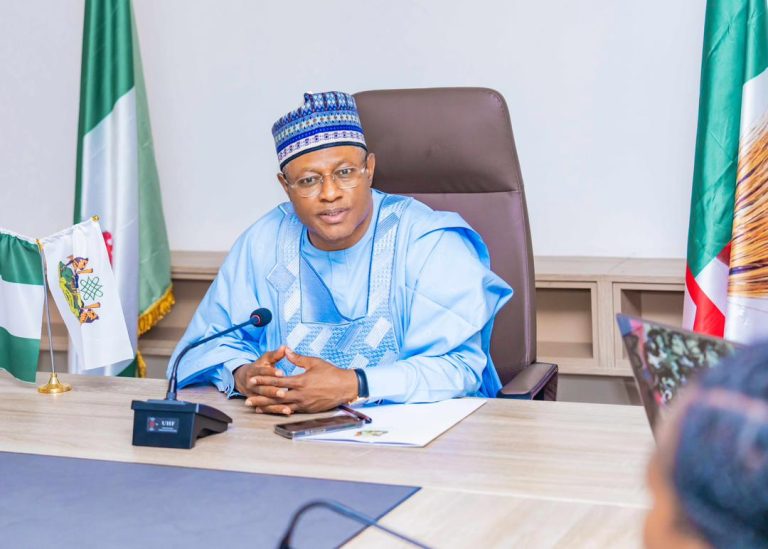
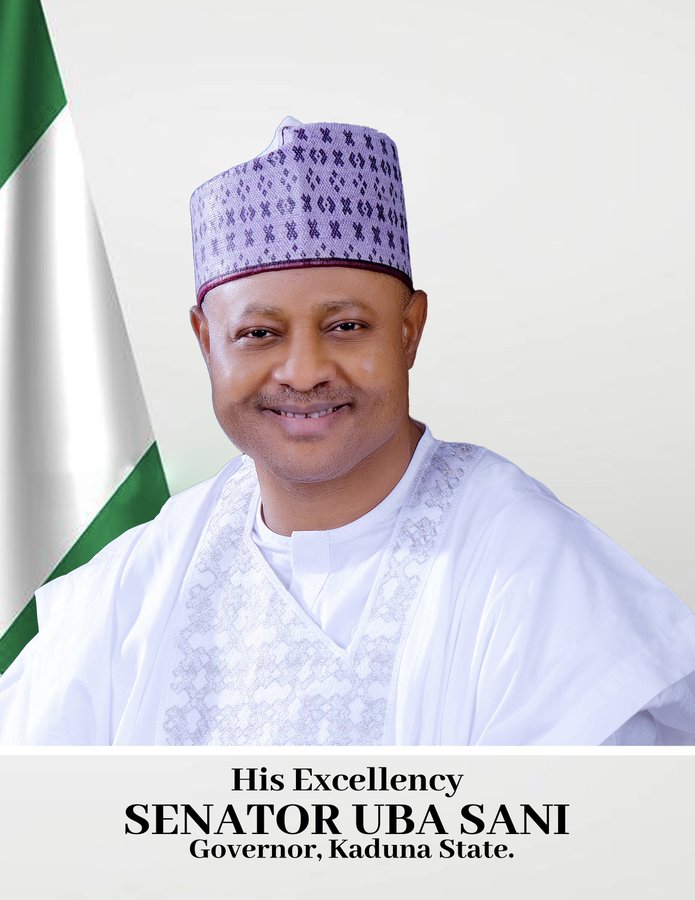
“Kaduna’s current political migration may represent one of the most profound restructurings since 1999. It has redrawn maps, shaken party systems, and elevated Governor Uba Sani as a central force in the state’s political evolution.”
___________________________
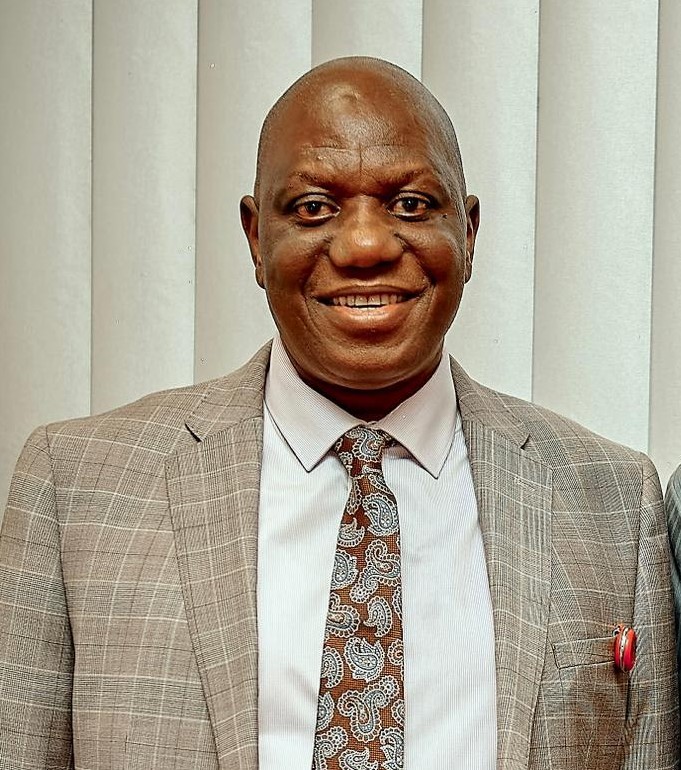
By James S. Swam
A political realignment of historical dimensions is sweeping across Kaduna State. Not since 1999 has the state witnessed a mass exodus of political heavyweights from opposition parties into a single political platform. It is not a trickle, nor a quiet transfer of political loyalty; it is a deluge – one that is redefining structures, loyalties, and the very future of competitive politics in the state. In a period many analysts now refer to as “the season of political migration,” the ruling All Progressives Congress (APC) under Governor Uba Sani has attracted a volume of decampees that even veteran politicians agree is unprecedented.
Today, the exact number of politicians who have dumped their parties to join the APC is difficult to quantify. The list grows by the week, populated by men and women once described in the legendary vocabulary of the late K.O. Mbadiwe as “men of timber and calibre.” A former governor, former senators, sitting legislators at both the national and state assembly, former commissioners, former principal private secretary, former ambassador, former local government chairmen and councillors, former advisers and special assistants, party executives – you name it. They migrate sometimes in groups, sometimes in dramatic ceremonies that draw national attention.
This is not the first time political leaders in Nigeria have changed platforms. Since the return of democracy, political carpet crossing, often explained away as strategic repositioning, has become a recurrent feature. But Kaduna’s situation today is not ordinary. The speed, scale, and sophistication of the decamping wave have left many political commentators stunned.
Some call it political survival. Others call it desperation. Yet another bloc points to a more layered reality: a calculated realignment driven, at least in part, by Governor Uba Sani’s leadership approach, his bridge-building philosophy, and the promises he made at his inauguration on 29 May 2023, to govern with fairness, inclusiveness, and an understanding of the state’s complex political map.
Once a robust battleground of multiple parties, Kaduna is gradually metamorphosing into an APC-leaning state. Some say it is already one. In just two and a half years after the party narrowly retained Sir Kashim Ibrahim House, the opposition has been bleeding at a pace never recorded.
All three senatorial zones have witnessed defections of huge magnitude. At the start of the 10th National Assembly, Kaduna had twelve opposition members in the House of Representatives, leaving APC with just four. Today, ten have decamped to the APC. In the Kaduna State House of Assembly, seven out of twelve opposition lawmakers have also jumped ship, while one senator out of three has joined the ruling party.
But Zone 3 (Kaduna South) has been the most disrupted and hit hardest. The zone, historically dominated by the People’s Democratic Party (PDP), is now considered by some analysts as “a collapsing wall.” Once, it controlled the majority of seats across all electoral positions in Southern Kaduna. But today, the figures have flipped. The list reads like a Who’s Who of Southern Kaduna politics.
_______________________
Today, the exact number of politicians who have dumped their parties to join the APC is difficult to quantify. The list grows by the week, populated by men and women once described in the legendary vocabulary of the late K.O. Mbadiwe as “men of timber and calibre.”
_______________________
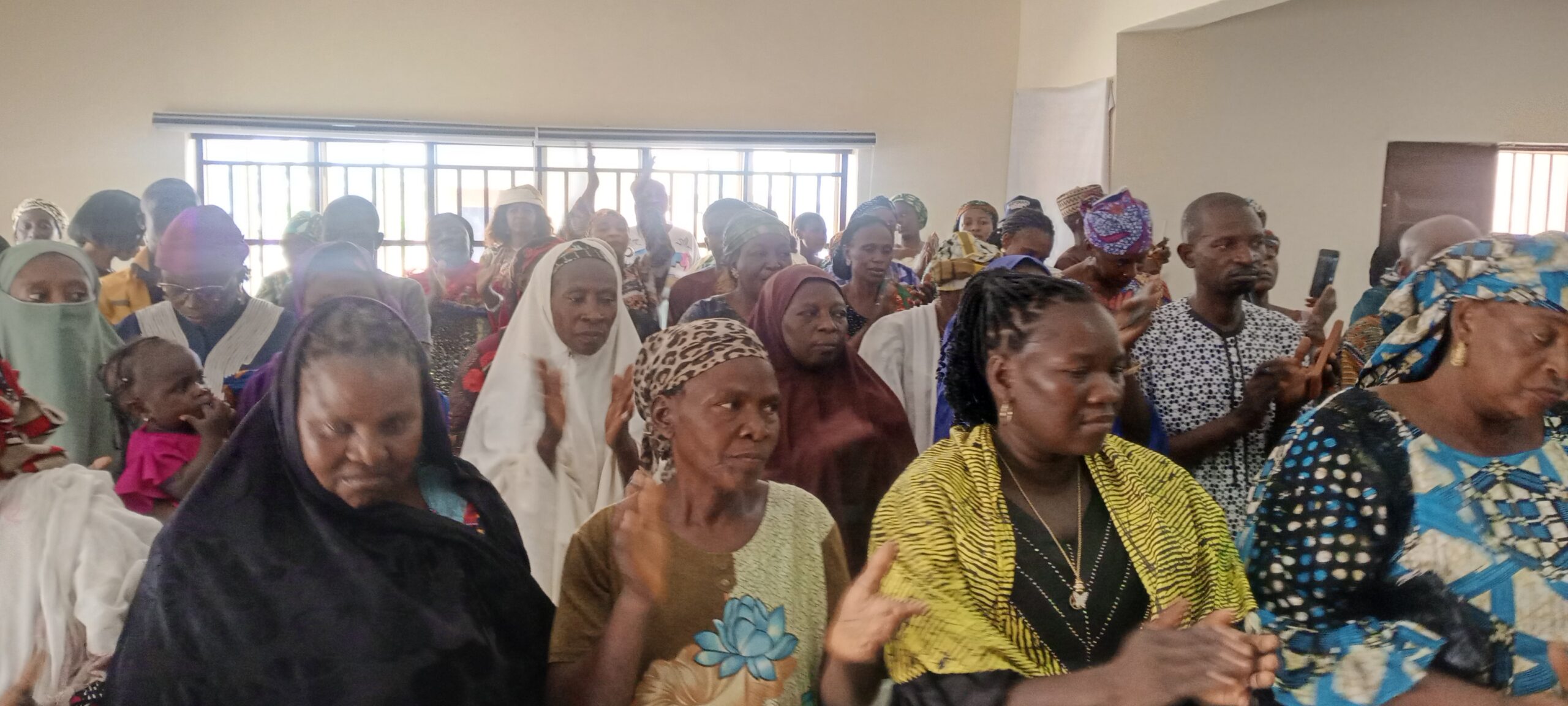
The magnitude of the political movement became headline news nationwide when, on 1 November in Kafanchan, the entire elected structure of the PDP in the zone crossed over to the APC. President Bola Ahmed Tinubu, represented by his Chief of Staff, Rt. Hon. Femi Gbajabiamila, received the triumphant decampees.
To understand this moment, one must revisit a bold declaration made by Governor Uba Sani in the foreword of his 36-page campaign blueprint: “I understand Kaduna State — its complexities, peculiarities and possibilities. I have been building bridges across the state and the nation. My networks are extensive and cut across political, business and other sectors.”
It was a promise that some dismissed then as political idealism. Today, many of those critics admit that the statement, though ambitious, was not empty. It carried a blueprint. It carried intent. And it carried a strategy.
At his inauguration, he pledged to govern inclusively, to be fair, and to treat every citizen equitably regardless of political, religious, or ethnic identity. That message, more soothing than the more hardline posture of the previous administration, began resonating with politicians who felt politically displaced or wounded by old battles.
There is no single, universally accepted reason for the decamping. Instead, there are multiple overlapping factors. First, some observers argue that some politicians in the state fear political extinction if they remain in depleted opposition platforms that may no longer secure electoral victory – they are searching for political relevance and survival.
Secondly, the return of federal presence in Southern Kaduna through the newly established federal institutions has created a sense of recognition that many stakeholders interpret as evidence of fairer treatment.
Thirdly, many decampees openly credit Governor Uba Sani’s bridge-building and inclusive leadership brand. While critics remain skeptical, decampees speak of his consultations and a political style that emphasises dialogue over confrontation. Fourthly, there is renewed attention to security challenges. After years of recurring violence in rural communities across the state, the relative improvement of security in many parts has restored optimism, an emotional and political incentive for many.
Senator Sunday Marshall Katung (Kaduna South), while announcing his departure from the PDP, summarised his decision as one reached after “deep consultations with constituents, critical stakeholders, family members, friends, and political associates.” He emphasised that no president has done for his people what Tinubu has done, indicating that the APC is a better option for him.
This political wave has not flowed without resistance or suspicion. Some activists and civil society voices argue that the mass movement is driven by promises of influence or power. They worry about weaker checks and balances and a shrinking democratic space. Others allege intimidation. However, current checks reveal no credible evidence of state-engineered coercion. Hunger for political advantage? Possible. Opportunism? Certainly, in some cases. But as one analyst puts it: “Politics in Nigeria is transactional – and those transactions are not always financial. Sometimes they are strategic, survivalist, even psychological.”
At the grand defection ceremony in Kafanchan, Governor Uba Sani declared in a confident tone: “Kaduna State is now one big family under the canopy of APC. I call on those yet to come on board to cross over to our party.”
He reminded the state of his oath of office: “We made it clear from 29 May 2023, that we took a solemn oath to be fair to all and to treat everyone equitably, irrespective of political, religious or ethnic affiliations.” Whether one agrees with his politics or not, one truth remains: this mass realignment did not occur in a vacuum.
Kaduna’s current political migration may represent one of the most profound restructurings since 1999. It has redrawn maps, shaken party systems, and elevated Governor Uba Sani as a central force in the state’s political evolution. Supporters credit him with healing old political wounds and attracting new loyalties. Critics warn of the dangers of one-party dominance.
Whatever the interpretation, one fact is undeniable: Kaduna is witnessing a political earthquake, and its tremors will shape the 2027 elections and beyond. A ruling party swelling beyond precedent, an opposition struggling to recover, and a governor whose political architecture is proving far more formidable than many predicted.
Swam is a writer, author, and public relations practitioner.


Leave a Reply