

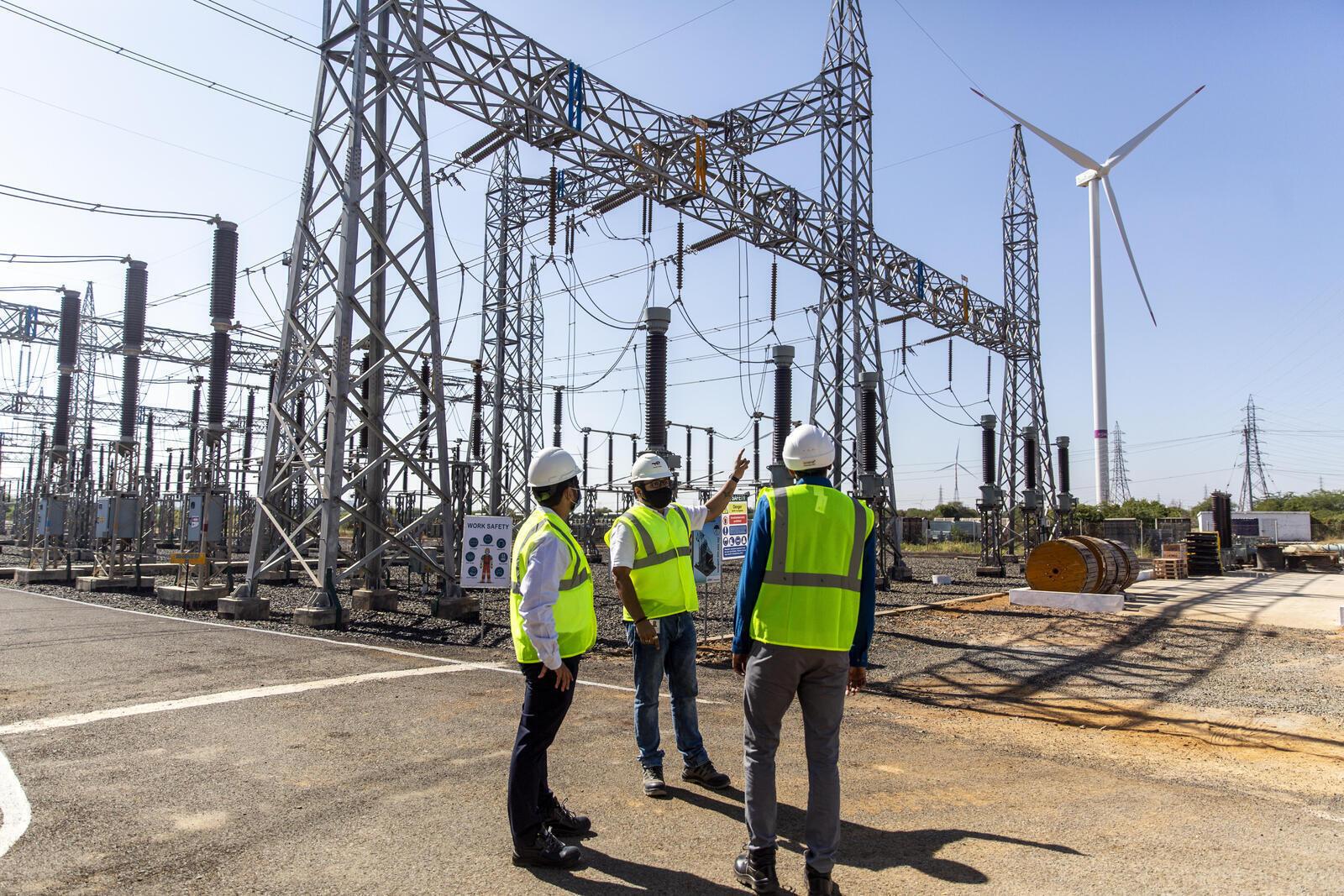
“By creating a state-level electricity regulatory commission, Kaduna now has the legal backing to license power producers within the state…”
___________________________
By James S. Swam
When Aisha Mohammed closes her tailoring shop in Kaduna by 6:30 p.m., it is not because customers have stopped coming. It is because of electricity. Like thousands of small business owners across the state, she depends on a noisy petrol generator to keep her sewing machines running. “If there is light, I can work till 10 p.m.,” she says. “But fuel is too expensive.”
It is stories like Aisha’s that give urgency to the recent electricity reform passed by the Kaduna State House of Assembly, establishing the Kaduna State Electricity Regulatory Commission. The law represents a turning point in how electricity is generated, regulated, and delivered in the state.
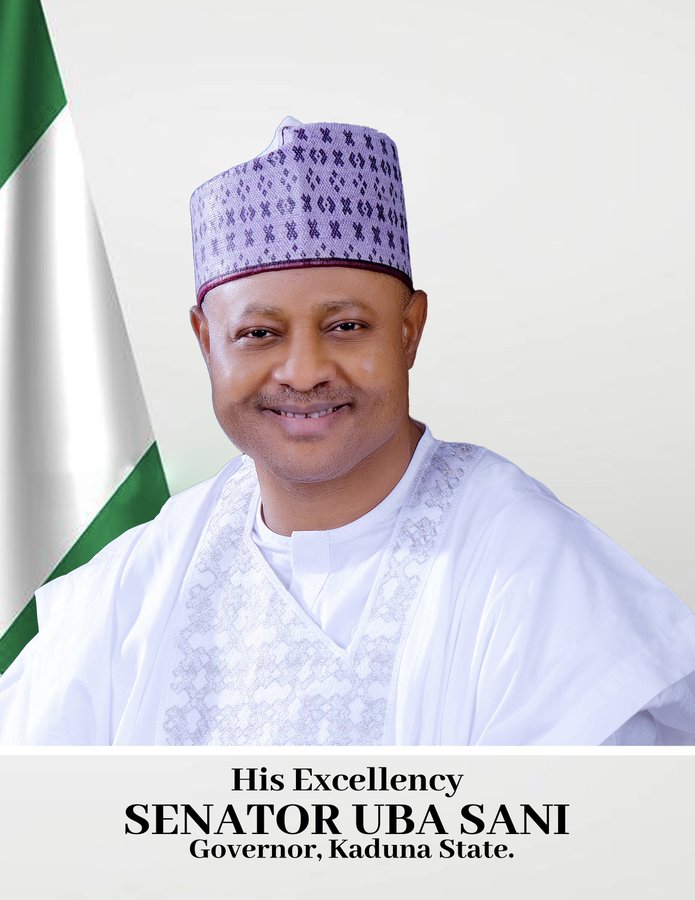
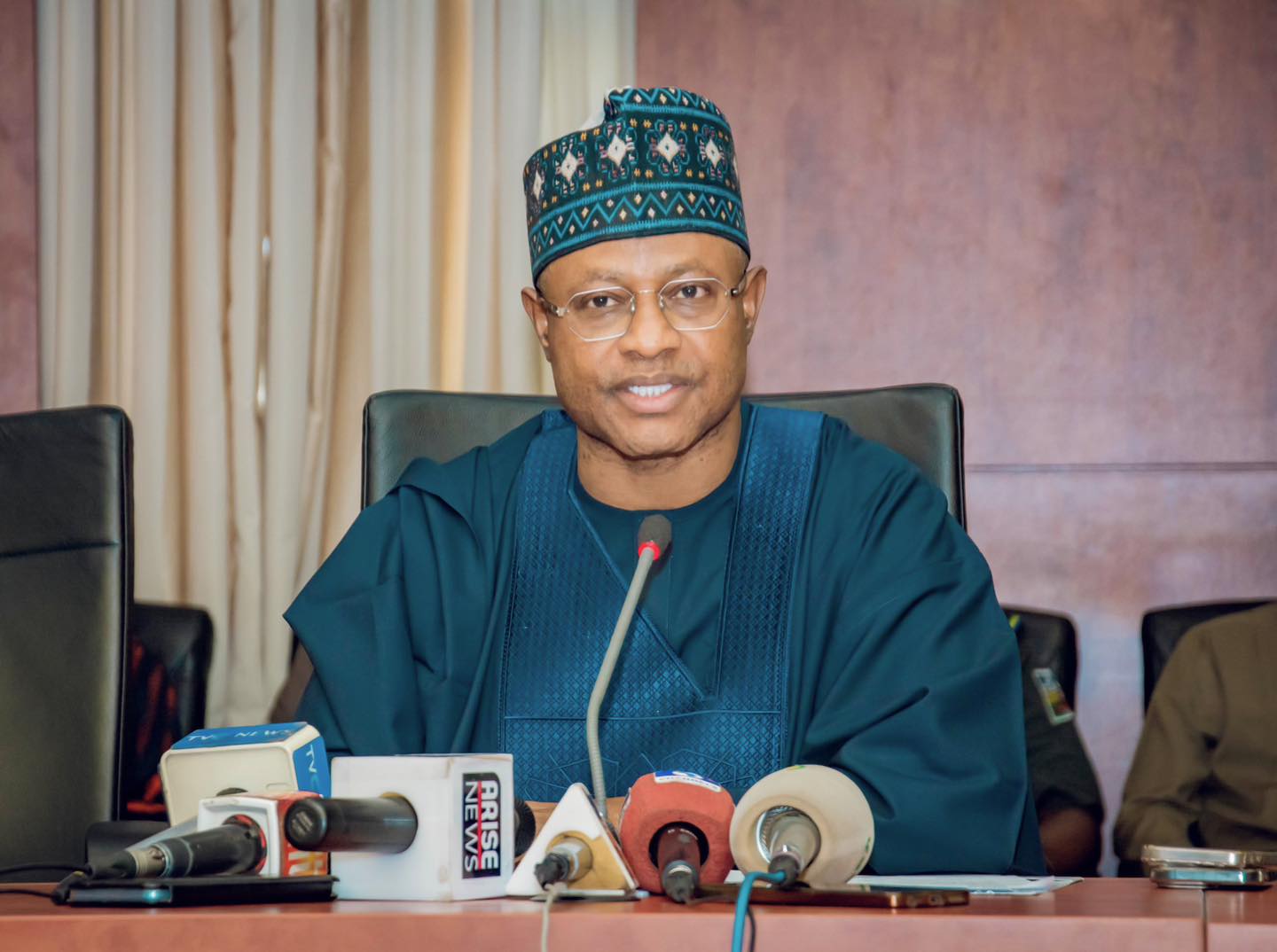
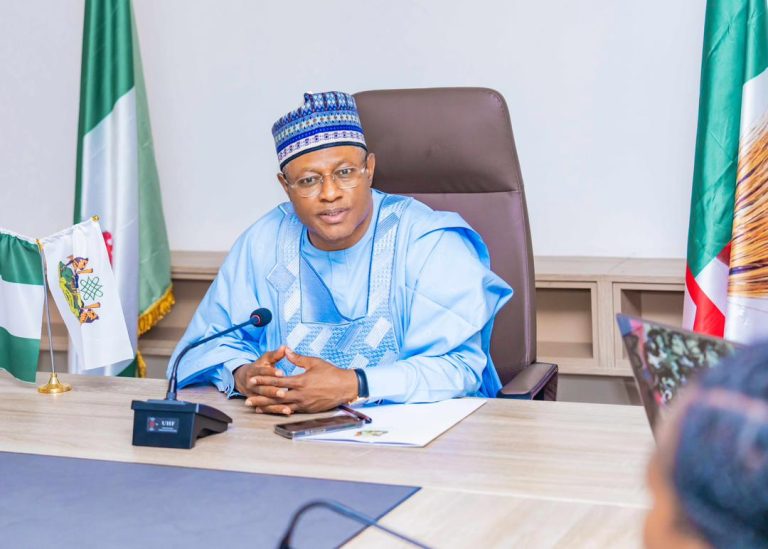
Governor Uba Sani’s administration is implementing several reforms as part of a broader effort to unlock economic growth. And energy, as economists often say, is the backbone of any serious development agenda. For decades, Nigeria’s electricity sector has been largely controlled at the federal level, leaving states with limited authority to address local energy challenges. Kaduna’s new law will change that narrative.
By creating a state-level electricity regulatory commission, Kaduna now has the legal backing to license power producers within the state, regulate electricity distribution and tariffs, and attract private investment into the power sector. This decentralisation is strategic because it allows Kaduna to design solutions tailored to its own economic realities, rather than relying solely on a stretched national grid.
For years, Kaduna State has actively pursued energy deals with both local and international partners. Yet, despite these efforts, stable electricity has remained elusive for many residents and businesses. The absence of a strong state-level regulatory framework meant many of these initiatives are struggling to reach full potential. Under the leadership of Uba Sani, the new bill when signed into law seeks to bridge a critical gap by turning agreements into actionable, regulated outcomes.
__________________________________
“Of course, the economic impact of this energy reform can only be imagined. Beyond lighting homes, it will power economies, especially Small and Medium Enterprises (SMEs).”
___________________________________
Before now, there have been Memoranda of Understanding (MoUs), pilot projects, and partial implementations of energy deals. For instance, the 215MW Kudenda Power Station, which has been on for nearly 20 years, remains unfinished. Conceived as a large-scale federal government project, it was intended to supply electricity to industrial zones and revive Kaduna’s once-thriving manufacturing base.
Similarly, the $100 million Abiba Solar Power Project, backed by investors from the United Arab Emirates and France and designed as a 50MW plant with Nigerian Bulk Electricity Plc as off-taker, initially signalled strong global confidence in Kaduna’s renewable energy potential. However, like the Kudenda project, it appears to have stalled for 10 years, reflecting a pattern of ambitious energy initiatives that have struggled to reach full implementation.
More recently, however, there are signs of renewed momentum and the electricity reform could be a catalyst. A strategic partnership between the Rural Electrification Agency (REA) and the Kaduna Power Company, facilitated in October 2025, is targeting rural electrification through solar mini-grids. This initiative offers hope for underserved communities, as it seeks to power homes, schools, and small businesses.
The new electricity commission will function as a watchdog, facilitator, and enabler, ensuring that deals of this nature succeed. First, it will regulate how electricity is generated and distributed within Kaduna. This includes issuing licenses to independent power producers (IPPs), monitoring service quality, and ensuring consumer protection.
Second, it opens the door for renewable energy expansion, especially solar power, which is well-suited to Kaduna’s climate. This is particularly important for rural communities where extending the national grid is costly and slow. Third, the commission creates a more predictable environment for investors. For years, uncertainty and regulatory bottlenecks discouraged private sector participation. With clear rules now in place, Kaduna could become a centre for energy investment in Northern Nigeria.
Of course, the economic impact of this energy reform can only be imagined. Beyond lighting homes, it will power economies, especially Small and Medium Enterprises (SMEs). Businesses like Aisha’s tailoring shop, welders, cold room operators, and cybercafés stand to benefit immediately from improved power supply. Reduced reliance on generators means lower operating costs, increased productivity, and longer business hours.
————————————————–
“The sector is now open for competition and the only existing private entity, Kaduna Electric, will be compelled to adjust.”
—————————————————
Kaduna, with its history as a manufacturing hub, could see a revival of industries. Factories that once shut down at Kudenda, Kakuri, and Mando industrial layouts due to erratic electricity may find new life. New investors may also consider Kaduna with its nearly 10 million population a viable destination, creating jobs and boosting internally generated revenue.
Agricultural value chain development would be boosted in rural areas because electricity can transform agriculture. Irrigation systems and agro-processing plants all depend on stable power. Farmers can preserve produce longer, reduce post-harvest losses, and add value before selling. This has direct implications for food security and rural incomes.
On the digital angle, the reform is poised to stimulate increased activities. From fintech startups to online media platforms, the digital economy thrives on uninterrupted power. And Kaduna’s growing youth population many of whom are tech-savvy could benefit from a more reliable electricity ecosystem. With a better power supply, the digital economy will experience more innovation, increased remote work opportunities, and growth in ICT hubs propelling huge returns on investment (ROI).
Aside from economics, electricity reform is about improving the quality of life. For students, it means being able to read at night without kerosene lamps. For hospitals, it ensures life-saving equipment runs without interruption. For families, it simply means comfort at home and the ability to power fans in the heat or keep food refrigerated. When power becomes stable, daily life becomes more predictable.
It’s noteworthy however that the success of the reform will depend on implementation. The administration must pursue the project with renewed vigour and ensure partners understand issues like financing power projects, technical capacity and infrastructure gaps in the industry. Without addressing these issues, the promise of the electricity reform may not fully materialise.
The establishment of the Kaduna State Electricity Regulatory Commission is a policy milestone that could change the energy sector and open up a vast array of development opportunities. It signals that Kaduna is ready to take control of its energy future, reduce dependence on federal systems, and create an enabling environment for economic transformation.
The sector is now opened for competition and the only existing private entity, Kaduna Electric, will be compelled to adjust. Already, it has entered into an agreement with Dubai-based J-Marine Logistics Limited to develop a 100MW solar power project, aimed at improving supply reliability and reducing dependence on fossil fuels.
For Aisha and countless other entrepreneurs and homeowners, consistent, affordable electricity is what they have clamoured for over the years. For policymakers and investors, this is a chance to reshape the state’s economic trajectory.
If implemented effectively, this reform could mark the beginning of a new era where Kaduna moves from managing power shortages to powering growth. And perhaps, in the not-too-distant future, Aisha’s shop will stay open long after sunset, not because she has to, but because she finally can. And the Uba Sani administration will take the glory.
Swam is the author of How to be an Effective Spokesperson.






Leave a Reply