

By James S. Swam
Kaduna is fondly described as Cibiyar Arewa in the Hausa language, meaning the nerve centre of Northern Nigeria. It is a title earned through history, commerce, politics, education, military and industrial presence, as well as strategic importance. From the colonial era to modern Nigeria, Kaduna has stood as a city of influence and one of the most vibrant urban destinations in Nigeria.
Nature itself blessed Kaduna uniquely. The Kaduna River cuts through the city gracefully, dividing it into almost equal parts and giving the ancient town its unique identity and charm. For decades, the city hosted the only petrochemical refinery in northern Nigeria, and its textile heritage made it attractive to investors, workers, and visitors alike.
Yet, for all its strategic importance and urban growth, Kaduna lacked an urban rail transport system, a feature expected of a modern metropolitan city. Ironically, while remnants of the colonial rail line still lie largely underutilised and vandalised, the rapidly expanding city has struggled with increasing congestion and transportation difficulties. For a city regarded as the gateway to Northern Nigeria, the absence of a modern light rail system has always appeared like a missing piece in Kaduna’s development story.
That is why the recent approval of the Kaduna Light Rail Project by the Federal Executive Council should be celebrated. The project, estimated at nearly one trillion naira, will establish a 50-kilometre metropolitan rail network connecting Rigachikun in the north to Sabon Tasha in the south (30-km), and Millennium City in the east to Rigasa in the west (20-km). It forms part of a $2.99 billion infrastructure package approved for Kaduna, Lagos and Kano States by the Tinubu administration.
A modern light rail system to cushion the stress residents pass through daily across long urban routes is long overdue. Indeed traffic congestion around major routes such as Kawo, Leventis, Stadium, Barnawa, Kakuri, Command Junction and Sabon Tasha has steadily increased over the years due to rapid population growth. Commercial transport costs have also risen, while productivity and quality of life continue to slide
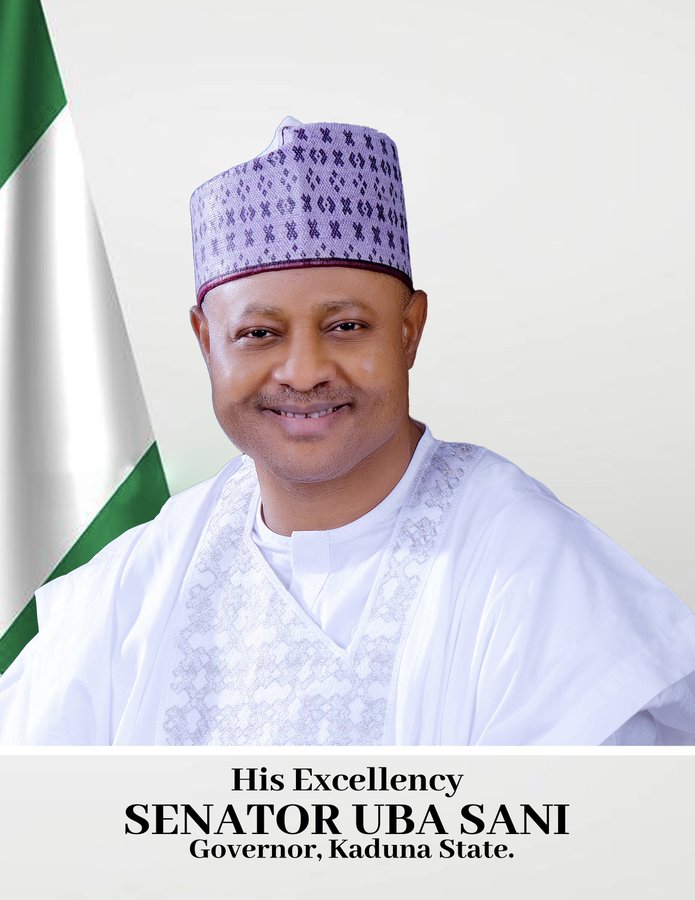
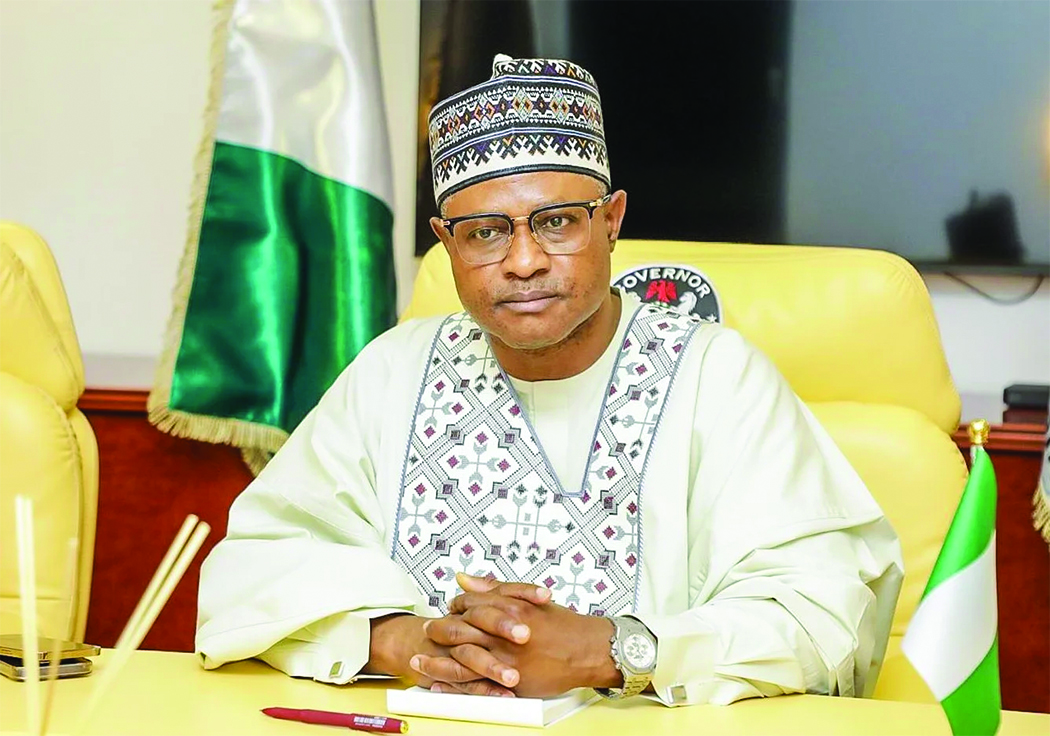
Governor Uba Sani seems to be conscious of this reality. Since assuming office, he has pushed the idea that transportation infrastructure must become central to Kaduna’s economic rebirth. Therefore, his excitement following the Federal Executive Council’s approval reflects the fulfilment of a vision he has publicly believed in for years. The governor described the federal government’s intervention in a press statement as “historic and catalytic,” noting that it fit perfectly into Kaduna State’s transportation agenda, including the ongoing Bus Rapid Transit (BRT) initiative and the deployment of subsidised Compressed Natural Gas (CNG) buses.
According to him, Kaduna is deliberately positioning itself as a premier transportation and logistics centre in Nigeria through integrated mobility systems that prioritise safety, affordability and efficiency. Truly, the approval places Kaduna in a unique national position as the second state in Nigeria to embark on a light rail system. This speaks positively about the confidence reposed in the state’s developmental vision.
The dream of an organised intra-city and inter-city rail transport system in Kaduna can be traced to the era of former governor Namadi Sambo, whose administration introduced the Kaduna State Railway Mass Transport Service in 2008, using old, refurbished coaches. Popularly known as “Jirgin Namadi”, “Namadi’s train,” or “township train,” the initiative connected communities across three major routes, i.e. Rigachikun to Sabon Tasha within Kaduna metropolis, Kaduna to Zaria, and Kaduna to Kafanchan in the southern axis of the state and vice versa. The project also reflected Sambo’s populist style, as the train coaches carried colourful campaign-style messages highlighting his administration’s achievements and vision for Kaduna State.
The rail service, which lasted for only two years, became a lifeline for thousands of workers, traders and students struggling with rising transport costs. While commercial buses charged between N50 and N90 for short city trips, the intra-city train maintained a flat fare of just N20, far cheaper and more accessible. The Kaduna–Zaria route cost only N50 by train compared to about N200 by road, while passengers travelling between Kaduna and Kafanchan paid N250 instead of nearly N1,000 charged by buses. For low-income residents, the service represented economic relief and social inclusion. However, malfunctioning locomotives and damaged tracks derailed the project after Sambo became Vice President.
Governor Patrick Yakowa who succeeded Sambo in 2010 and his successor, Ramalan Yero, who took over in 2012 focused on inter-city bus transportation instead. Their vision didn’t connect with Sambo’s in terms of rail transportation. However, the dream for inter-city rail continued under Governor Nasir El-Rufai as part of his ambitious urban renewal programme after he took the oath of office in 2015. The design he proposed at the time was a modern 44.8-kilometre network running from Maraban Jos to Maraban Rido, with 10KM at ground level and 34KM elevated above ground to reduce congestion and improve efficiency.
The project generated some excitement, no doubt. Meetings were held with international consultants and financial institutions. The state engaged a French rail consultant, Systra for feasibility and design, Indian Power Firm, Skipper was part of the project while the Indian Exim Bank was to finance it.
However, like many projects in Nigeria, challenges soon emerged. In early 2025, two years after El-Rufai left office, investigations by Nigeria’s anti-corruption agency, the Independent Corrupt Practices and Other Related Offences Commission (ICPC) revealed that funds initially allocated for the project around 2016–2017 were allegedly mismanaged and diverted into private accounts before any substantial execution.
However, when Governor Uba Sani assumed office in 2023, he revived discussions around the project. Unlike previous attempts, the new strategy focused on stronger collaboration with the Federal Government and a phased implementation structure designed to improve transparency and execution. His determination soon began to yield results. During President Bola Tinubu’s one-day working visit to Kaduna in June 2025, the Federal Government announced an initial ₦100 billion allocation for the Kaduna Light Rail Project in the national budget. That announcement marked a turning point.
Governor Sani sees the rail project as a tool for social and economic integration not just another infrastructure because it will ease mobility for millions, stimulate commerce, create jobs and connect urban communities more effectively. “This is a transformative initiative,” the governor declared during one of the project briefings with the minister of transportation, Sa’idu Alkali in July 2025. “Once completed, it will position Kaduna as a foremost transportation hub in Nigeria.”
What made the current effort particularly significant is Governor Sani’s support for the idea long before becoming governor. In 2018, while serving as senator, he publicly celebrated and promoted the proposed light rail initiative on his Facebook page, describing it as a modern project capable of changing Kaduna’s future. That public enthusiasm years ago has now become an important reminder that his present commitment is a continuation of a longstanding belief in the project’s value. It also demonstrates an important quality in leadership, i.e. continuity of vision.
Too often, major projects collapse because successive administrations abandon initiatives associated with previous governments. That is why the revival of the Kaduna Light Rail Project by Uba Sani reflects a more mature governance culture where developmental priorities transcend political differences.
The implications of the rail project are enormous. Economically, it will open new investment opportunities and stimulate commercial activities along transport routes leading to real estate development around stations and adjoining communities while small businesses, markets and service industries will benefit from improved movement of people and goods.
Socially, the project will help bridge urban inequalities by improving access to jobs, schools and healthcare facilities for residents across different parts of the metropolis. Environmentally, the shift toward rail transit systems will help reduce pressure on roads, decrease fuel consumption and lower carbon emissions in the long term. Most importantly, the rail system will redefine Kaduna’s identity in the 21st century.
In the long run, Kaduna will be remembered for its politics, history, and the quality of life it offered residents. Modern transport infrastructure shapes productivity, urban culture and economic confidence. From Cairo to Addis Ababa, from Johannesburg to Casablanca, functional urban rail systems have become symbols of metropolitan advancement. Kaduna deserves its place in that conversation.
For decades, the city carried the weight of Northern Nigeria’s political and economic aspirations. Today, it is beginning to reclaim that strategic relevance through deliberate investments in transportation and infrastructure.
The approval of the Kaduna Light Rail Project by the federal government therefore is a declaration that Kaduna is ready to evolve into a modern African city capable of supporting its growing population and expanding economy. And perhaps, after many years of waiting, the ancient nerve centre of the North is finally prepared to move again on the tracks of a new future.
Swam is a former Secretary of the Nigerian Institute of Public Relations, NIPR, Kaduna State chapter.
Leave a Reply