


At the centre of his approach is a simple but important question: What should Southern Kaduna look like in the next 50 years?
————————————————
By Haruna Daniel Rex
Senator Sunday Marshall Katung’s legislative agenda for Southern Kaduna addresses a development philosophy that prioritises long-term investments in education, healthcare, skills acquisition, entrepreneurship and employment. Rather than focusing primarily on immediate relief, his approach emphasises capital projects designed to create opportunities, strengthen communities and benefit generations to come.
Over the last three and a half years, Katung has sponsored several bills in the Senate aimed at attracting development projects to the Southern Kaduna Senatorial District. The underlying objective is to lay a solid foundation for an educated population, a healthier society, an economically empowered youth and a more stable sociopolitical environment.
At the centre of his approach is a simple but important question: What should Southern Kaduna look like in the next 50 years?
For Katung, the answer lies in building institutions, expanding access to essential services and equipping people with the knowledge and skills to become self-reliant. It is a vision that looks beyond the immediate demands of today to consider the opportunities available to future generations.
While financial assistance and palliatives can provide temporary relief to families facing hardship, which many politicians prefer to showcase as achievements, sustainable development requires investments that enable people to improve their circumstances independently. The distinction is between giving people fish to eat and teaching them how to fish, compete and prosper on their own.
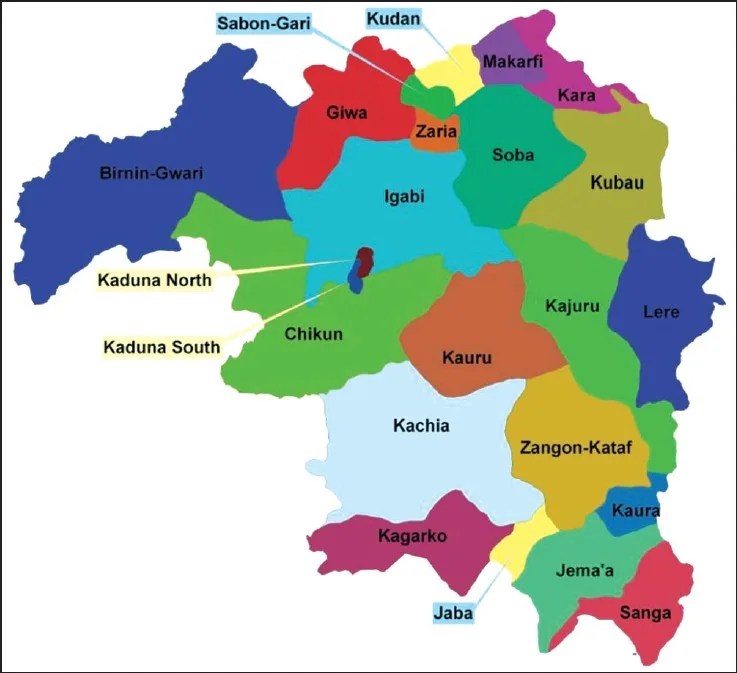
This philosophy is reflected in projects such as the proposed 700-seater Information and Communication Technology (ICT) centre, the bill for a teaching hospital, which the Senate has passed and which awaits presidential assent, and primary healthcare facilities, alongside other capital projects spread across the eight local government areas of the senatorial district.
These initiatives, if effectively implemented and sustained, could expand access to education, improve healthcare delivery, equip young people with relevant digital skills and create opportunities for employment and entrepreneurship in the future.
An ICT centre, for instance, can provide a platform for modern digital learning in AI, robotics, and skills development. A teaching hospital, which is a tertiary health centre, can strengthen healthcare services while supporting medical education and professional training. Functional primary healthcare facilities can bring essential services closer to communities that need them most.
Beyond their immediate benefits, such institutions can serve as foundations for economic and social progress. Their value lies not only in what they deliver today but also in their potential to serve children yet unborn and many generations.
A society that depends excessively on handouts risks missing opportunities to build the capacity required to compete in an increasingly knowledge-driven economy. Sustainable development demands deliberate investments in human capital, infrastructure and institutions that empower citizens to create value for themselves and their communities.
This is the wider significance of Katung’s legislative agenda. Its impact should ultimately be measured not merely by the number of bills sponsored or projects initiated, but by the extent to which these initiatives translate into functioning facilities, improved services, jobs and greater economic opportunities that stretches into decades ahead.
Consequently, the debate about Katung’s re-election is also a debate about the development priorities Southern Kaduna wants to pursue. The choice deserves to be assessed against tangible achievements, implementation and the long-term benefits his initiatives can deliver.
Securing Southern Kaduna’s future requires more than meeting today’s needs. It requires building the institutions, skills and opportunities that will empower tomorrow’s generation. And that is what SMK is proactively doing.
Haruna D. Rex writes from Maigizo Ward in Jema’a LGA of Kaduna State.






Leave a Reply