

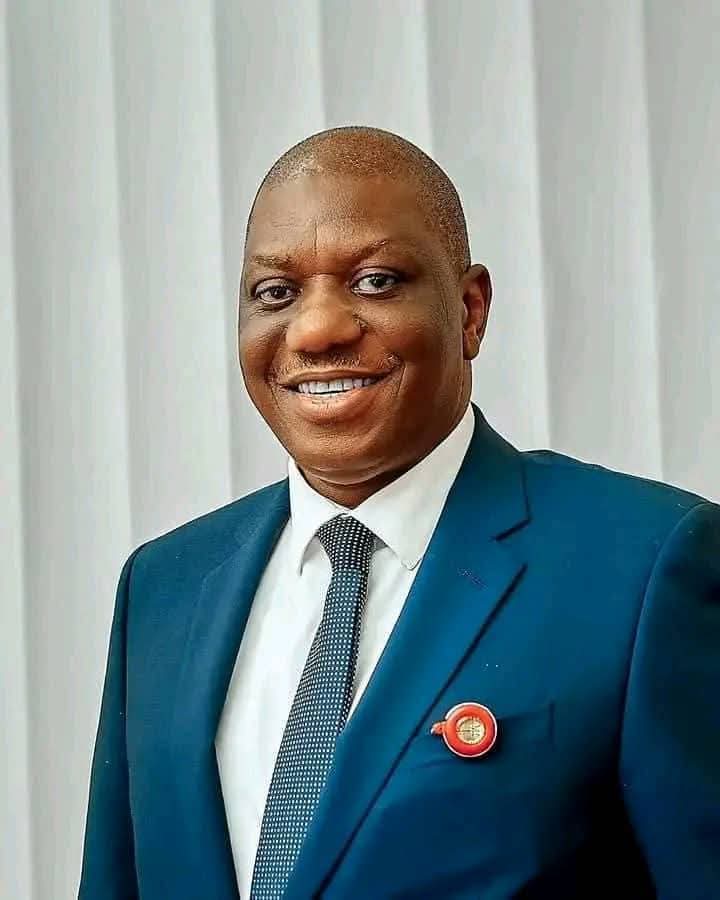
“In Nigerian politics, where declarations are loud and rivalries louder, Sunday Marshall Katung chose a different path defined not by confrontation but by calmness, and an almost stubborn focus on results.”
——————————————————-
By James S. Swam
The senator representing Kaduna South Senatorial District, Sunday Marshall Katung, has formally declared his intention to seek re-election. The declaration was not the kind wrapped in theatrics or grandstanding, but a deliberate moment of self confidence that reflected the personality many of his supporters say they have come to recognise in him.
In Nigerian politics, where declarations are loud and rivalries louder, Sunday Marshall Katung chose a different path defined not by confrontation but by calmness, and an almost stubborn focus on results.
Those who have followed his political journey describe him as a man who prefers to win arguments not with noise, but with outcomes. Even as conversations swirled, especially after his recent high-profile visit to President Bola Ahmed Tinubu alongside Shehu Sani and House Speaker Tajudeen Abbas, Katung has remained notably unruffled.
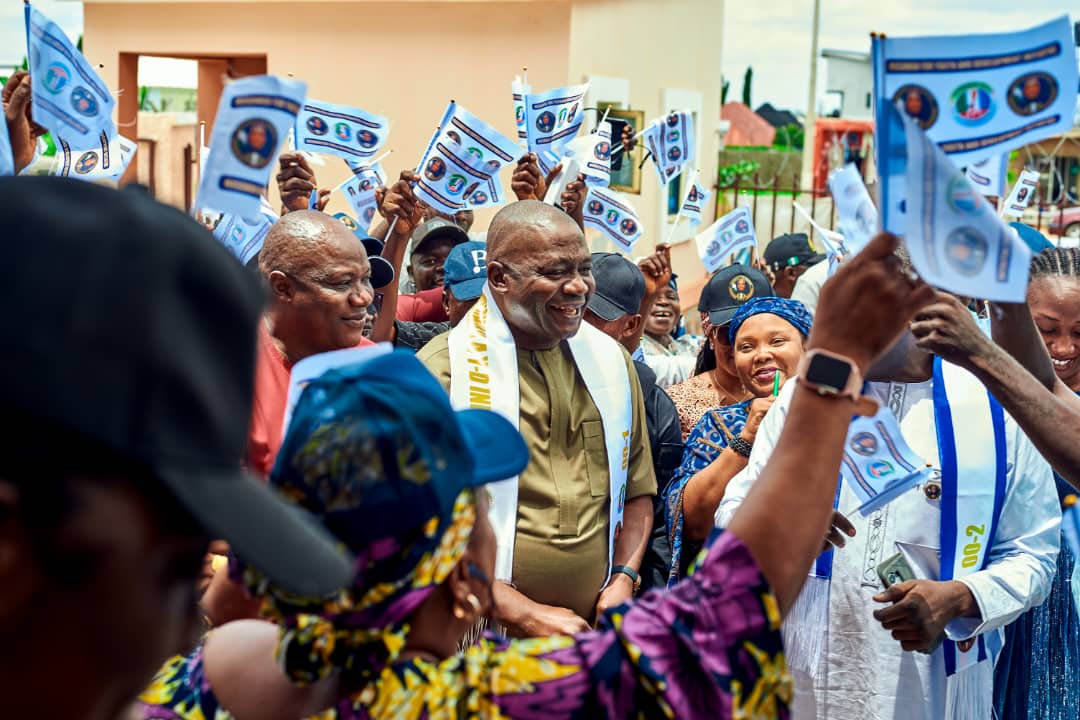
For days, Katung embarked on a familiarisation tour across the eight local government areas of Southern Kaduna. From Zangon Kataf to Kaura, Jema’a to Sanga, Kagarko to Kachia and Jaba to Kauru, the senator moved steadily, meeting newly elected party officials.
At each stop, his conversations revolved around unity, inclusiveness, and continuity. He urged party executives to become ambassadors at the grassroots level, reminding them that political strength is built not in Abuja meeting rooms, but in villages, communities, and local networks where trust is earned face-to-face.
“Our strength as a party lies in our unity and our connection to the grassroots. This tour is to listen, to share ideas, and to reaffirm our collective commitment to the growth of our party and progress of Kaduna South Senatorial district,” he was quoted by his media aide, Midat Joseph in a statement.
But beyond the language of unity, Katung’s campaign is anchored on performance, i.e. something tangible, a proposition stakeholders have agreed to echo as a theme of his re-election bid.
Throughout his tour, he repeatedly pointed to projects that many in Southern Kaduna have long considered elusive, such as the federal university and the Federal Medical Centre, which his parliamentary dexterity and lobbying acumen secured. For decades, these demands were raised in meetings, protests, political negotiations, and in the hallowed chambers of the National Assembly. Today, he presents them as evidence of what alignment with the centre can deliver.
_________________________________
“The road to 2027 seems settled for Katung even though elections in Kaduna, particularly in the South, are shaped by complex histories, identities, and expectations.”
—————————————————-
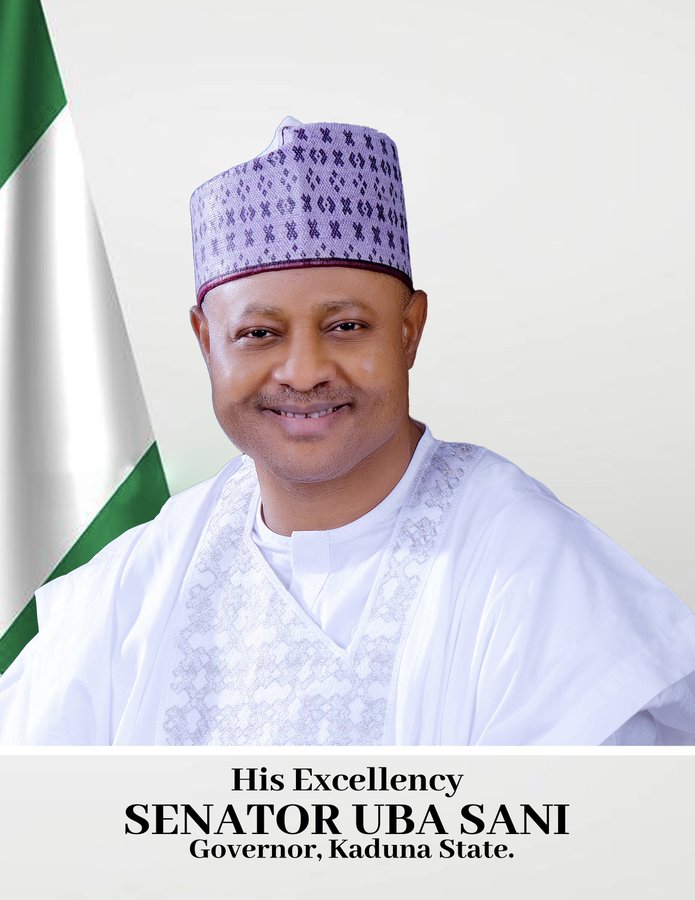
For Katung, this is what he calls “politics of results”, a philosophy that prioritises continuity over sentiment. It is also why his re-election message is tightly woven with support for both President Bola Tinubu and Governor Uba Sani. In his calculation, legislative influence works best when it complements executive direction. That argument appears to be gaining traction within his political base.
In Kagarko, Katung’s sermon on working with the centre captured more than 300 members of the opposition Peoples Democratic Party (PDP) who crossed over to the All Progressives Congress (APC), citing what they described as purposeful leadership and visible development. Led by the former PDP Chairman in Kagarko, Hon. AbdulRahman Jere, their defection underscored a growing narrative that Katung’s approach, which is quiet but persistent, is accepted beyond party lines.
Even more telling is the decision of Engr. Joseph Ciroma, a fellow APC chieftain, to step down from the senatorial race and endorse Katung. In a political environment often defined by fierce intra-party battles, such a move suggests a level of consensus that incumbents rarely enjoy.
Chiroma described his decision as an act of “patriotism and political maturity,” phrases that align closely with the image Katung himself has cultivated.
The road to 2027 seems settled for Katung even though elections in Kaduna, particularly in the South, are shaped by complex histories, identities, and expectations. So rather than trade words with critics, he has taken his campaign with a calm disposition to the grassroots where it matters most.
His week-long tour, now completed across all eight local governments, was not only about mobilising support but also about listening. In community halls and open fields, away from the comfort and formalities of Abuja, constituents spoke about their needs, frustrations, and hopes.
What stands out in all this is not just what Katung is doing, but how he is doing it. There is a certain naturalness, an ease that avoids political excess. He does not appear in a hurry to impress, yet he is clearly intent on consolidating.
In a season where many politicians are preparing to fight for attention, Katung is quietly building a narrative rooted in continuity, familiarity, and trust, qualities his opponents fall short of. As a zone that has demanded inclusion and recognition at the state and national levels but was denied by the last administration, Katung’s engagement may prove just as important as any project.
For many political observers, Senator Katung’s composure has remain one of his biggest strength and strategy. His dignified conduct and performance, they say, could secure him another term. Now in Southern Kaduna, his style of politics seems to be speaking louder than the noise around him.
Leave a Reply