

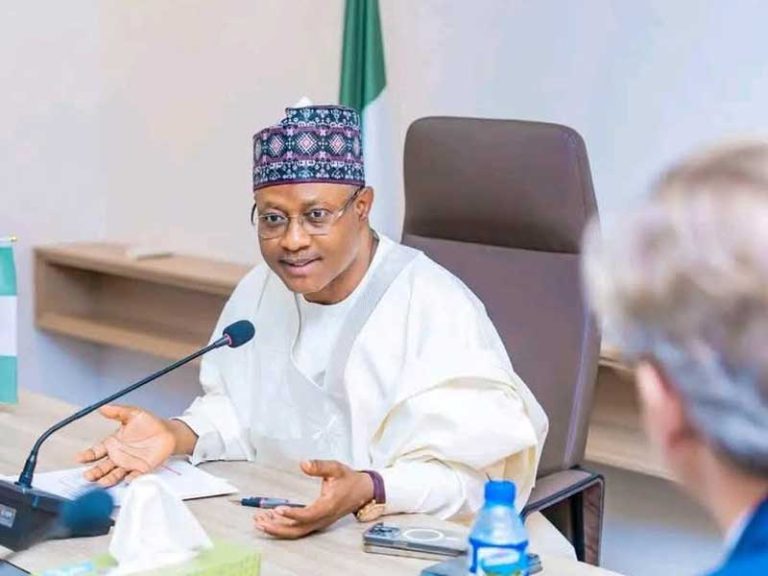
“Southern Kaduna has emerged as one of the major beneficiaries of the intervention of this administration…”
————————————————–
By Haruna Daniel (Rex)
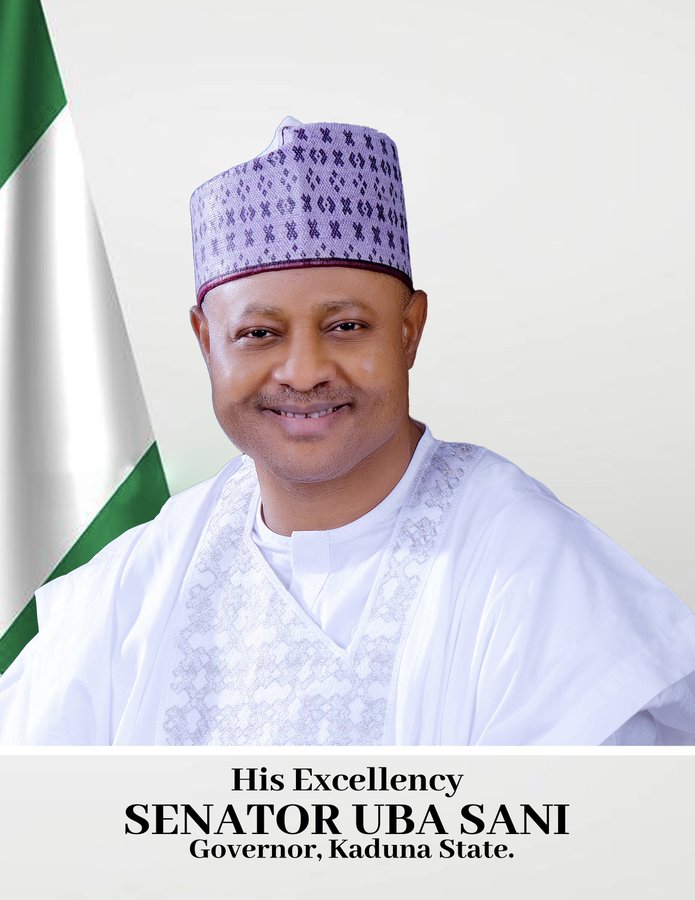
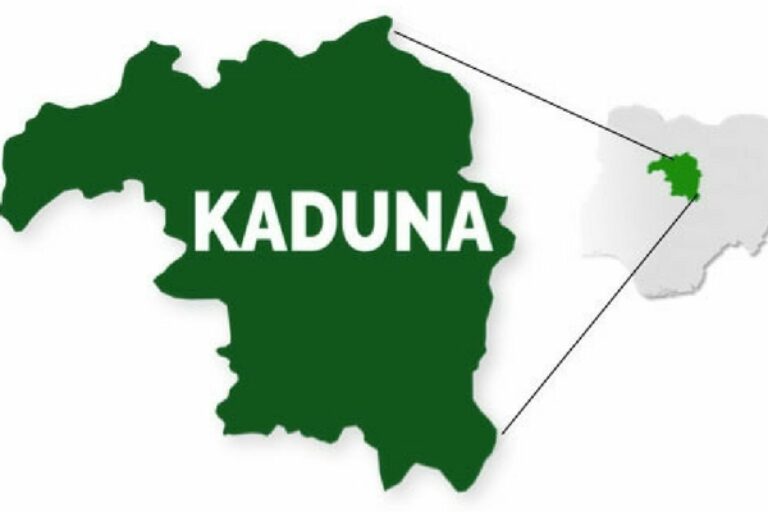
Over the past few months, claims have circulated that Governor Uba Sani’s administration has neglected Southern Kaduna, particularly in the area of road infrastructure. However, an objective assessment of projects executed across the southern part of the state tells a different story.
Southern Kaduna has emerged as one of the major beneficiaries of the intervention of this administration with several completed, ongoing and awarded projects transforming communities that had endured decades of inadequate infrastructure.
The governor’s collaborative approach to governance has also strengthened the zone’s development aspirations. Truth is, if he had not supported the establishment of the federal university, it wouldn’t have happen. If he had rejected the citing of the federal medical center in Kafanchan, it would have gone elsewhere. All these and others in the pipeline became possible through close cooperation between the state governor, members of the National Assembly, traditional rulers and other stakeholders. The proposed teaching hospital, being championed by Senator Sunday Marshall Katung, has also received the necessary support of governor Uba Sani to serve as the university’s clinical training centre.
The absence of a cordial relationship with the last administration was the major reason the zone could not benefit from the dividends of democracy. Many of the critics of this administration have forgotten so soon how the administration of Nasir el-Rufai declined to support Senator Danjuma Laah’s push for a federal university. Senator Laah’s bill was passed by the Senate and laid before president Muhammadu Buhari for assent but he refused up till the end of that government.
So it is foolhardy not to applaud governor Uba Sani’s significant role in southern Kaduna’s transformation since the return of democratic rule. On the infrastructure front, the administration’s footprint is visible across virtually every local government in the zone.
In Jema’a Local Government Area, the government has completed the 24-kilometre Kafanchan Roundabout to Ungwan Rimi Bridge double lane with street lights and the Hospital Road project. It also awarded the 21.5-kilometre Gwantu to Sanga Road while the construction of the 23-kilometre Madauchi–Madakiya–Kafanchan Road has been completed.
Equally significant is the revival of the 25-kilometre Kussom–Kwagiri–Jagindi–Wasa Road, a project originally initiated during the administration of the late Governor Patrick Yakowa but abandoned for years. Construction has since resumed, restoring hope to affected communities.
——————————————————-
“Th growing network of roads across Southern Kaduna reflects an administration determined to spread development equitably rather than selectively.”
———————————————————
In Kaura Local Government Area, the administration completed the 6.2-kilometre Kadarko–Tachira Road, constructed an 8-kilometre feeder road linking Makabun and Aya Lagum, and upgraded the 8.7-kilometre Tachira–Mayi–Assu Road.
Kauru Local Government has also witnessed major improvements with the completion and commissioning of the 23-kilometre Pambeguwa–Kauru Road alongside an additional eight kilometres of feeder roads.
Kajuru, which had reportedly gone nearly two decades without a state road project, is experiencing a remarkable turnaround. The government constructed the 15-kilometre Kasuwan Magani to Rimau Road, linking Kajuru and Igabi local government areas, while work is progressing on the 13.5-kilometre Fadaman Kororo–Kurura Road.
In Chikun Local Government Area, construction is ongoing on the seven-kilometre Signboard–Ungwan Barde–Juji Road in Sabon Tasha, while the extensive Romi road network project is opening up several communities through interconnected roads.
Roads remain one of the strongest indicators of inclusive development because they connect communities, promote commerce, improve access to education and healthcare, and attract investment. The growing network of roads across Southern Kaduna reflects an administration determined to spread development equitably rather than selectively.
It is important to note that these projects were achieved in just three years of the administration unlike the el-Rufai government that spent eight years without much to reckon with. The restoration of mutual relationship with southern Kaduna stakeholders and the recognition of SOKAPU by the Uba Sani administration is, indeed, a statement that signifies inclusive governance.
Leave a Reply